Levy and Notpla at Câr-y-Môr seaweed farm
On 12 August 2025, Levy UK & Ireland commissioned me to photograph a visit to Câr-y-Môr, a regenerative seaweed and shellfish farm near St Davids in Pembrokeshire.
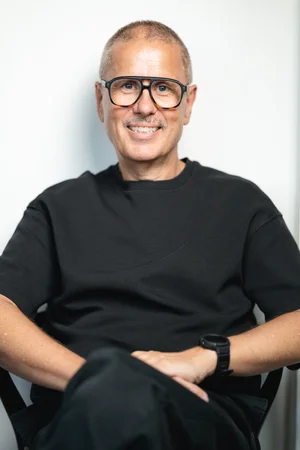
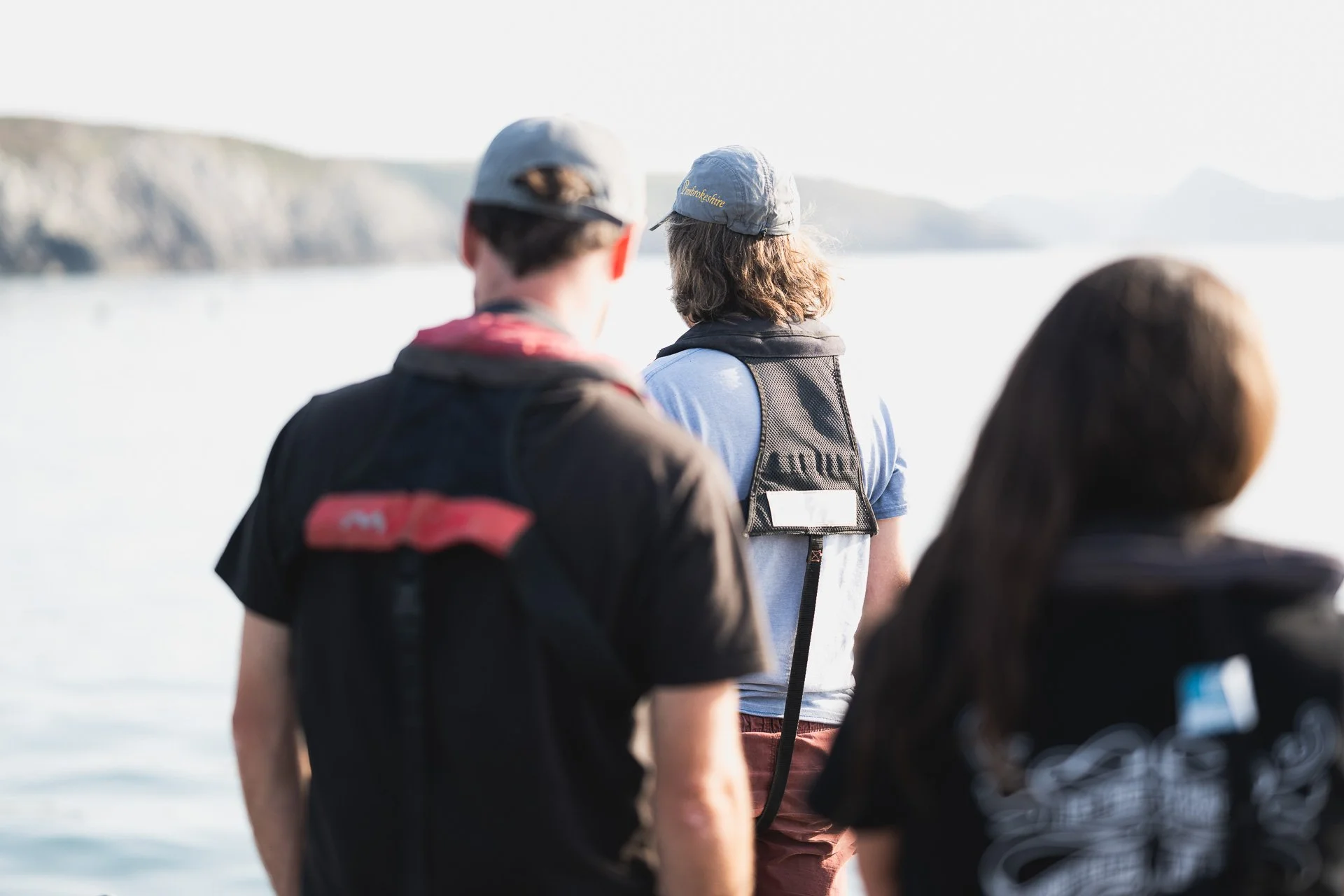
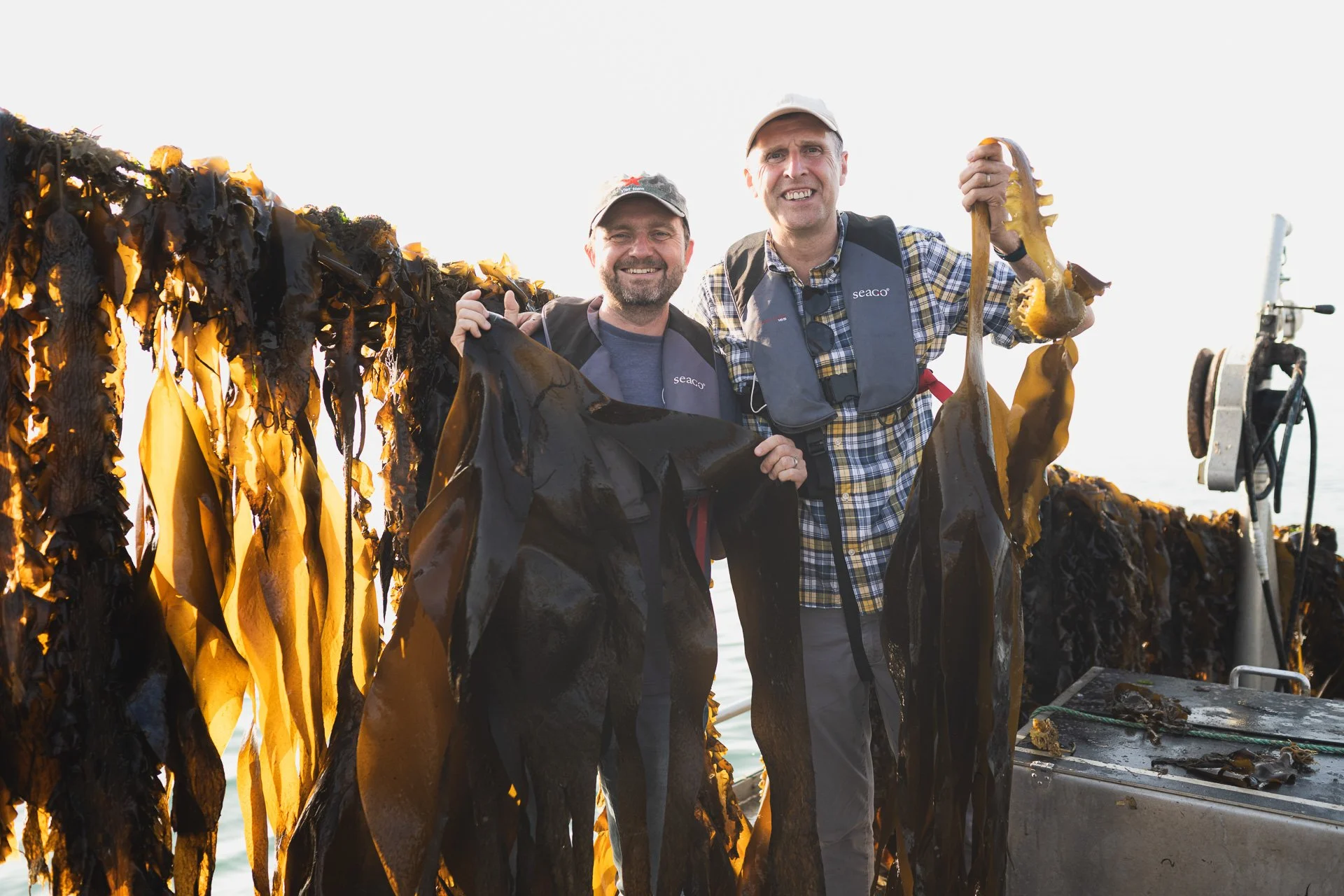
The visit brought together Levy CEO Jon Davies and Sustainability Director Kevin Watson with Pierre Paslier, Co-Founder and Co-CEO of Notpla. They were there to see the operation first-hand and explore the role seaweed could play in reducing plastic across large-scale food-service operations.
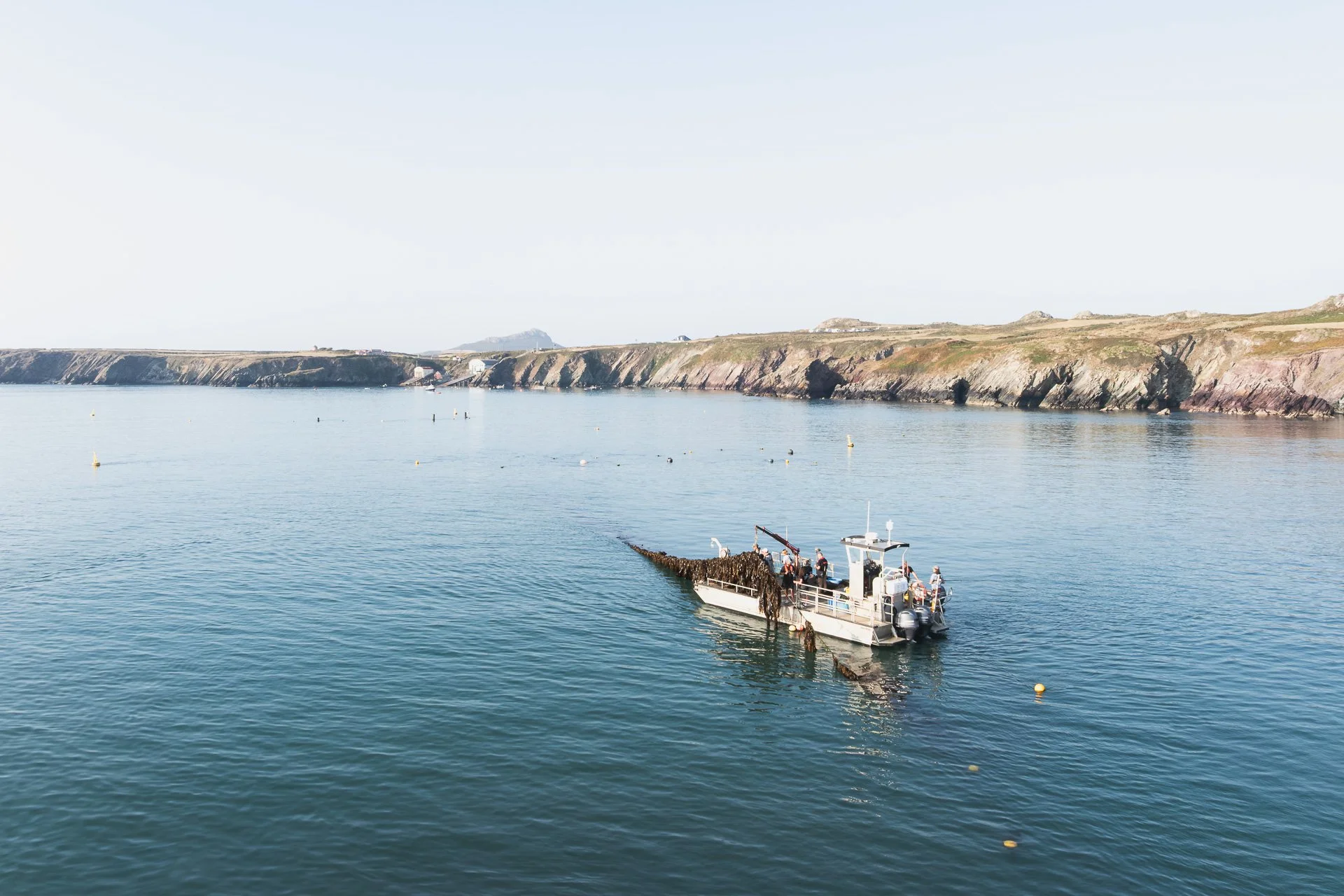
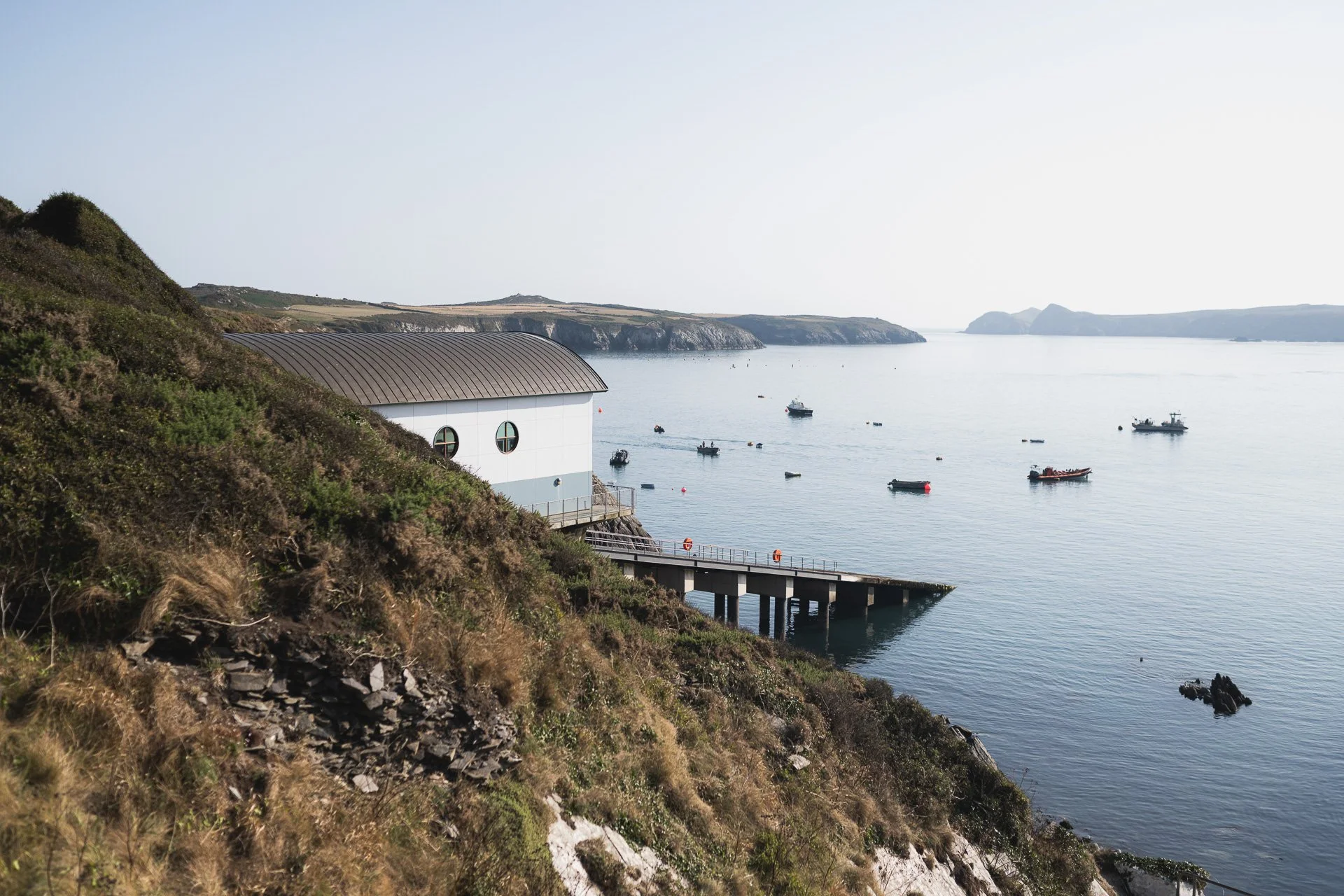
My brief was to create a broad collection of photographs for Levy’s sustainability report, website, LinkedIn and other communications. The coverage included the people involved, conversations and demonstrations on shore, the journey out to the sea farm, the offshore operation and aerial views of the boat and surrounding coastline.
Following the story from shore to sea
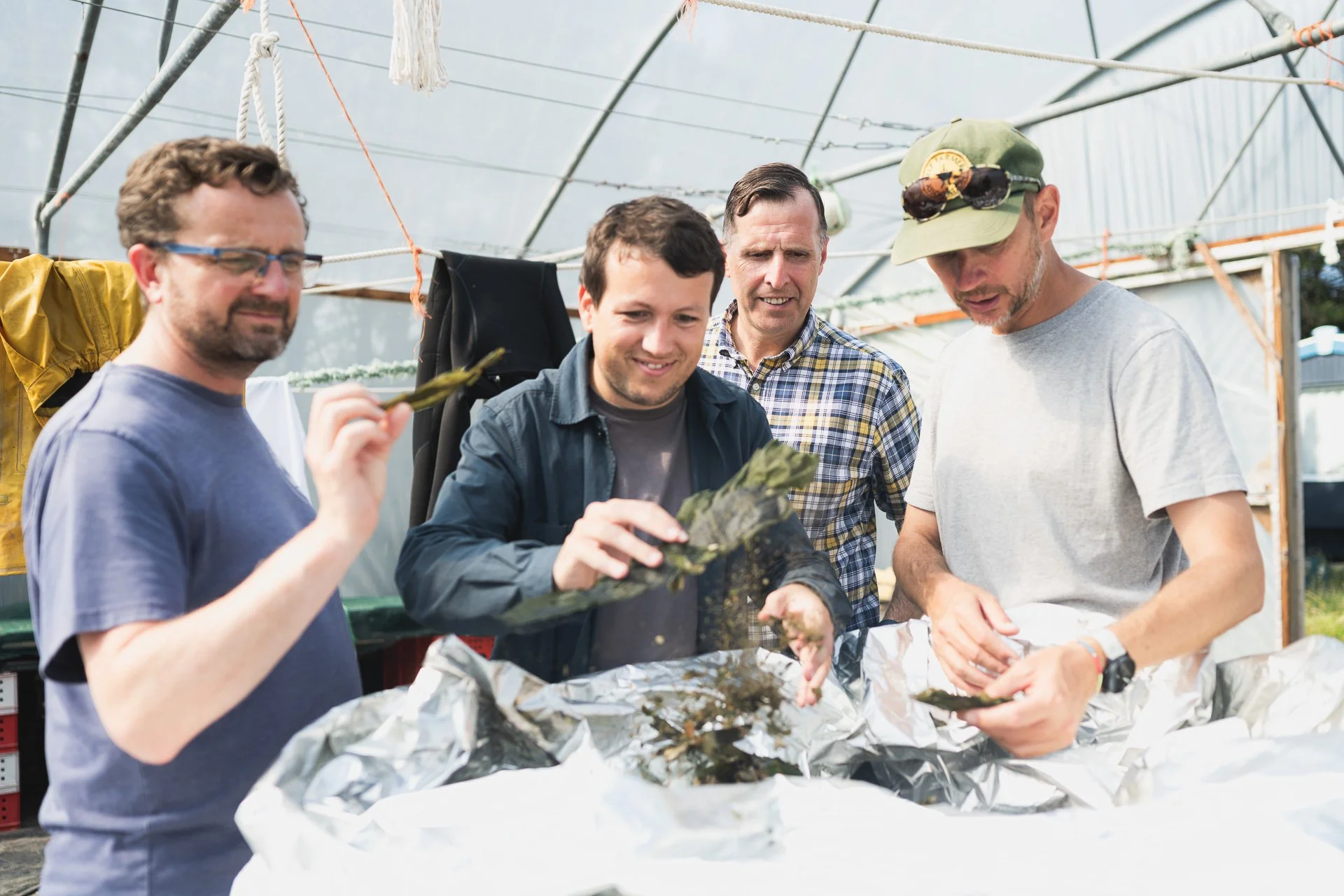
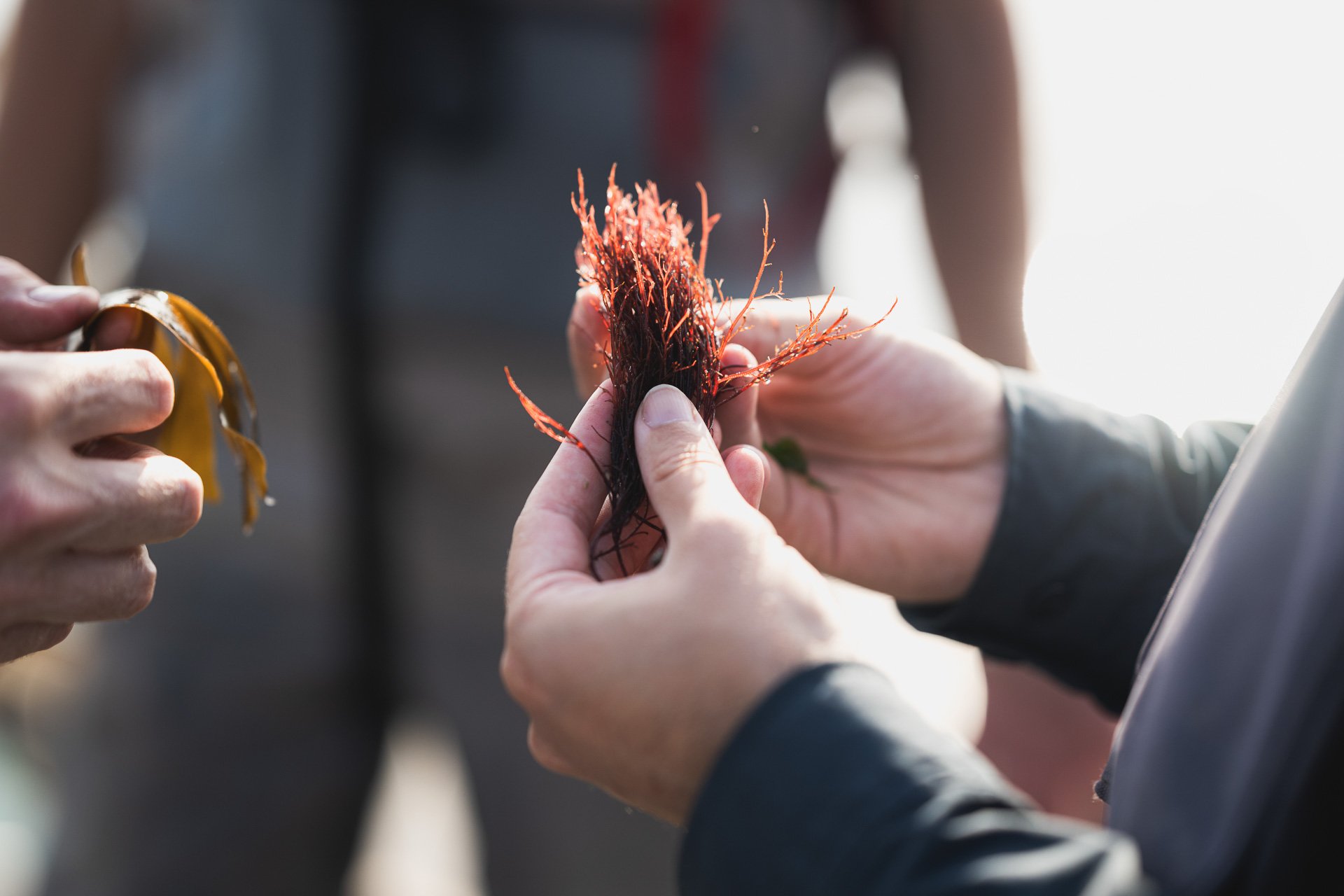
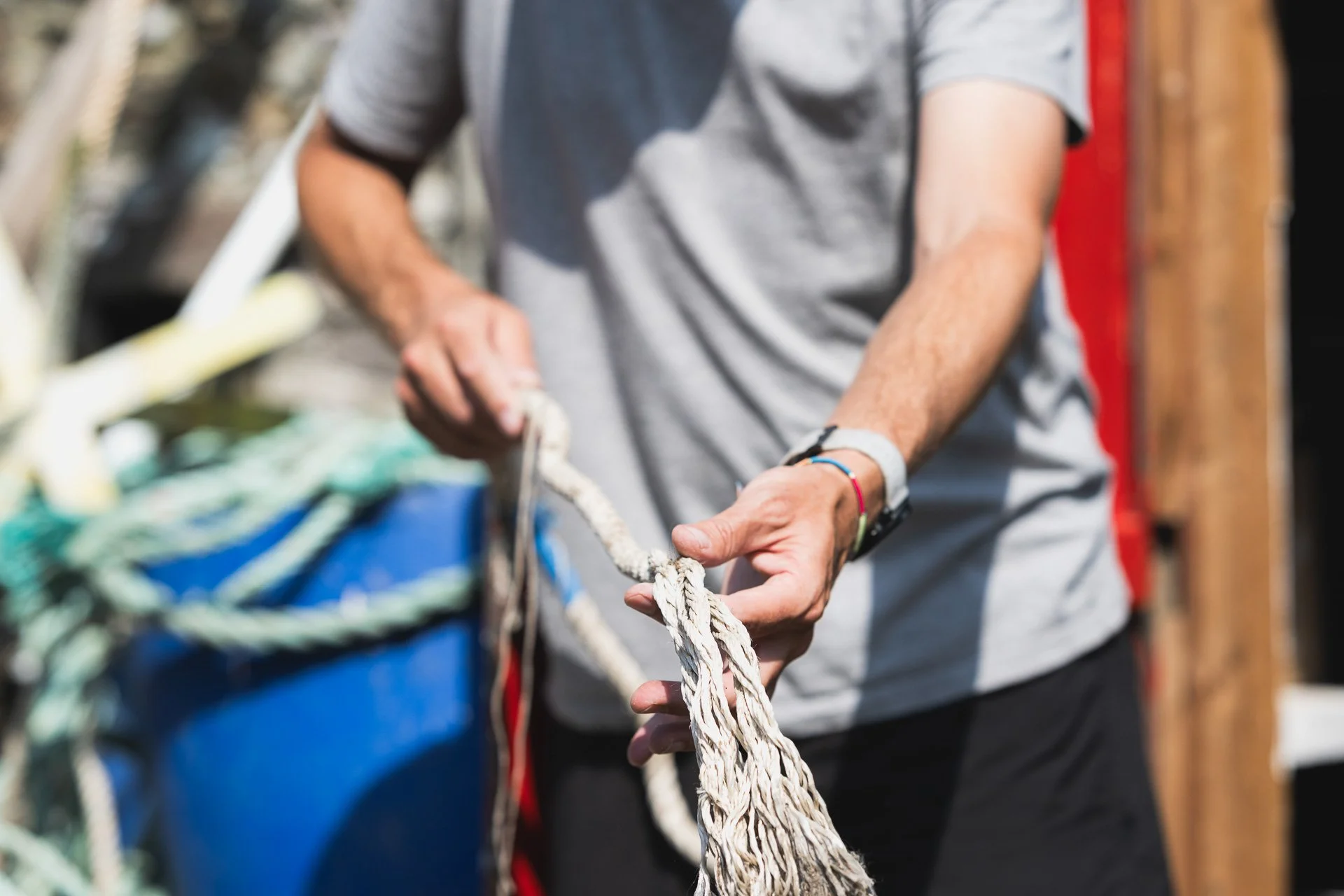
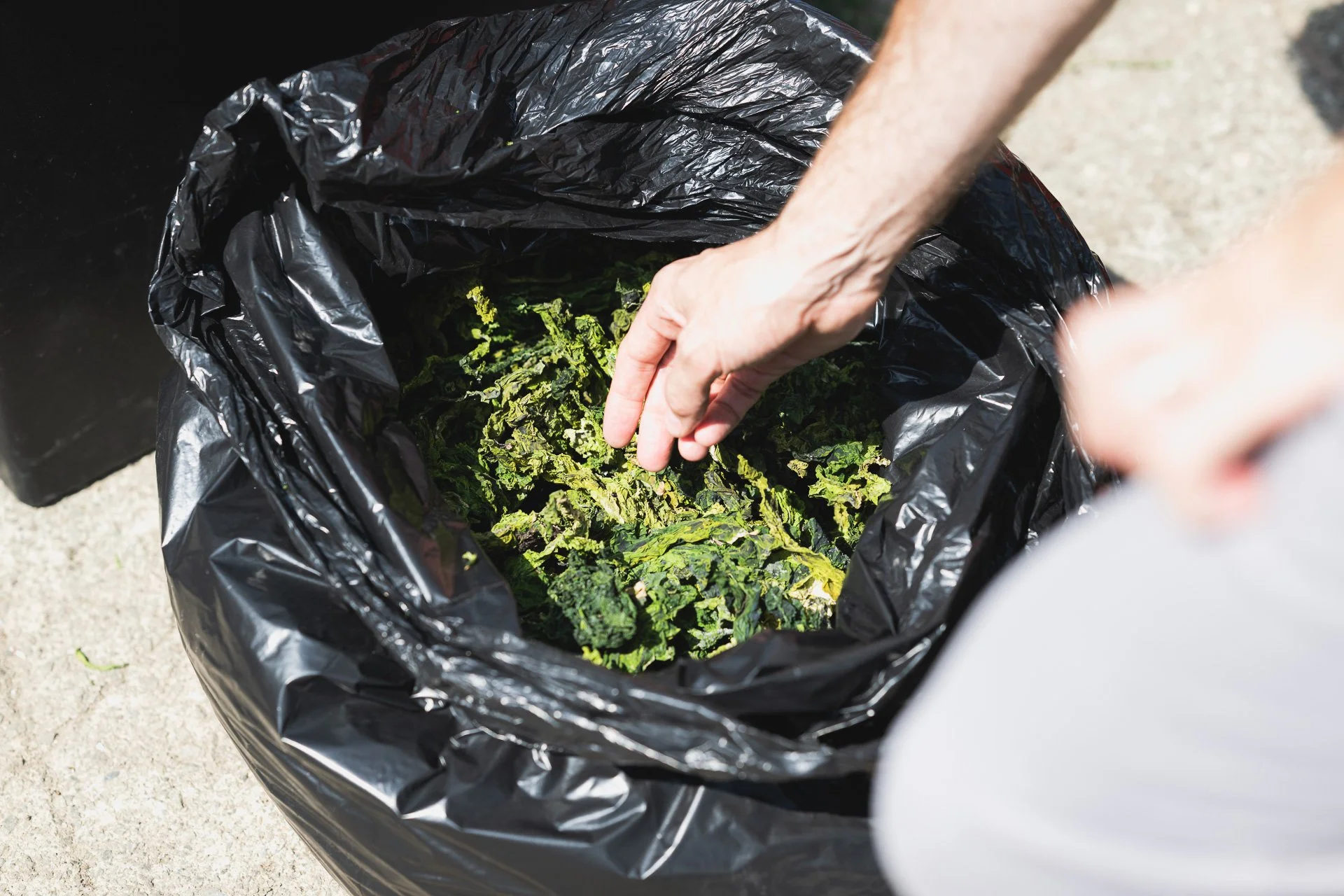
I began by photographing the group examining different seaweeds and discussing the way they are cultivated and processed. These closer photographs helped record the conversations and working relationships behind the visit, as well as the materials themselves.
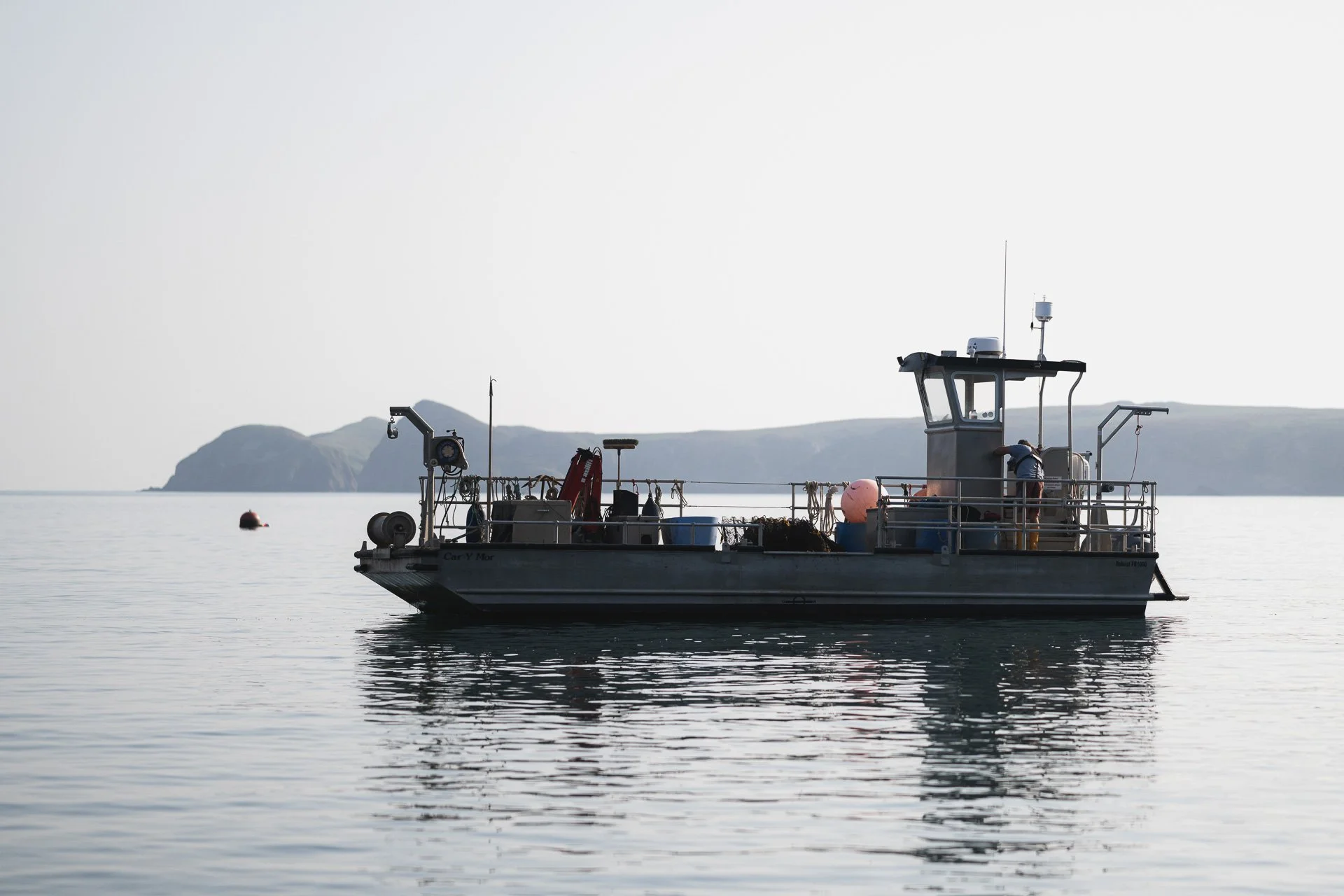
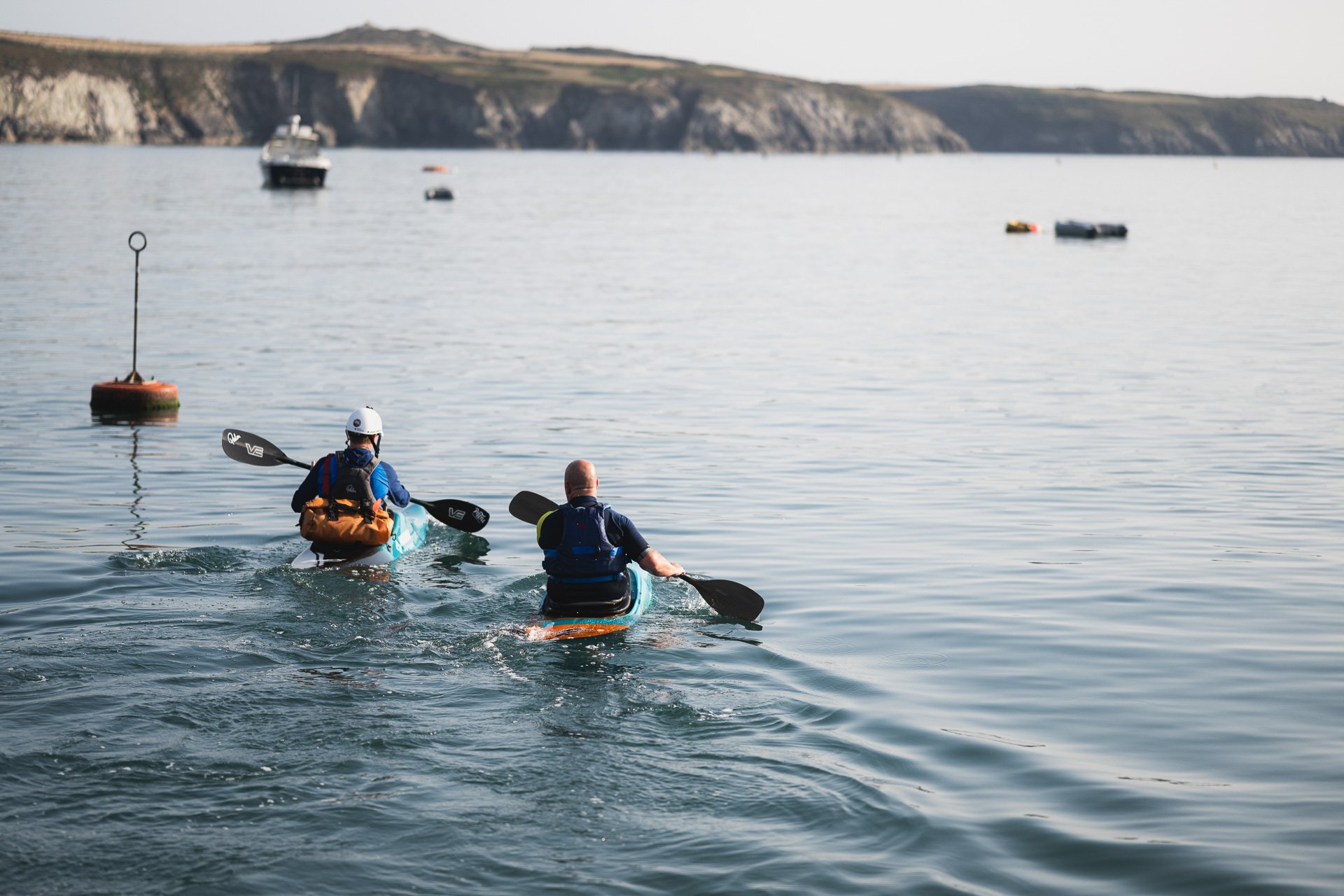
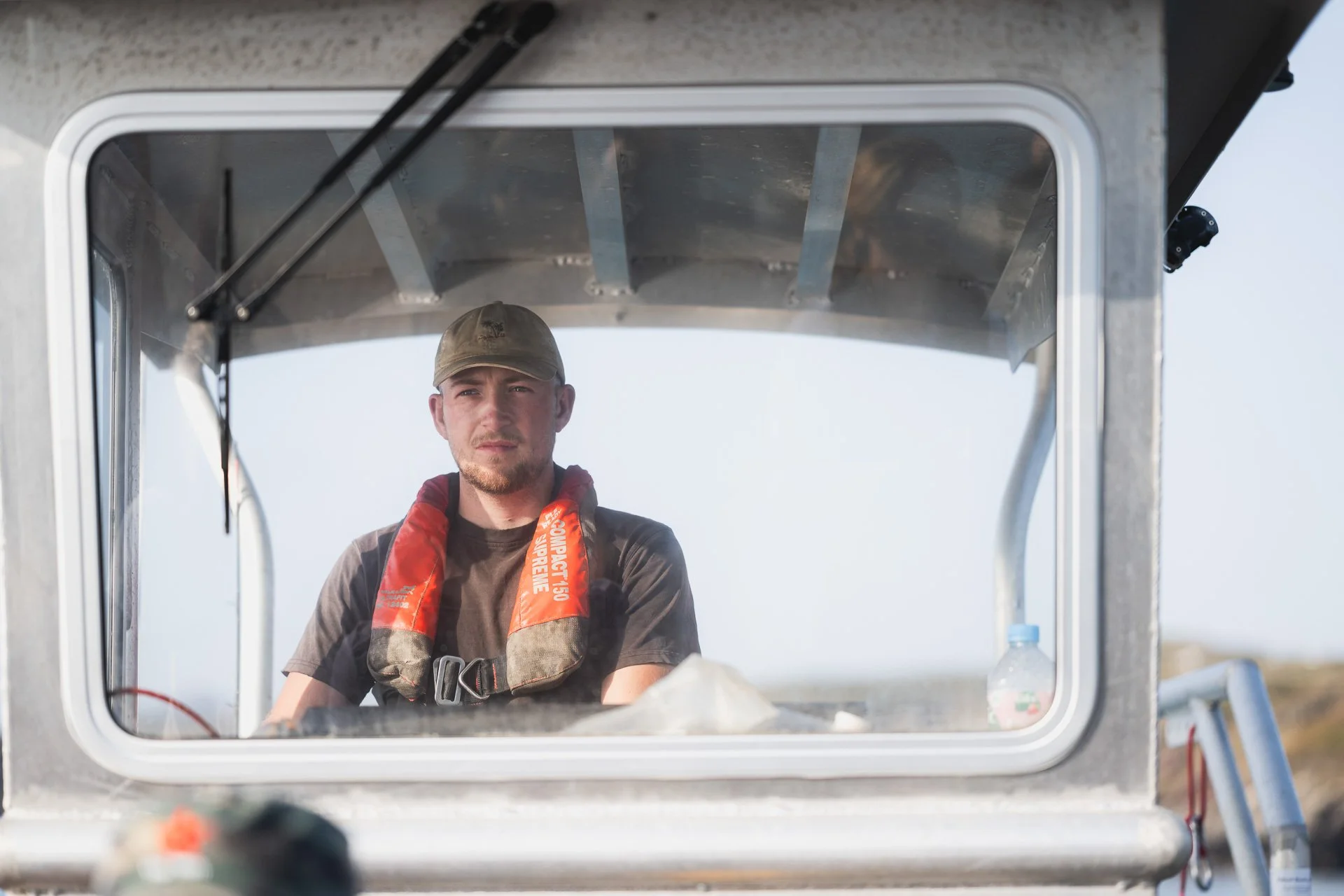
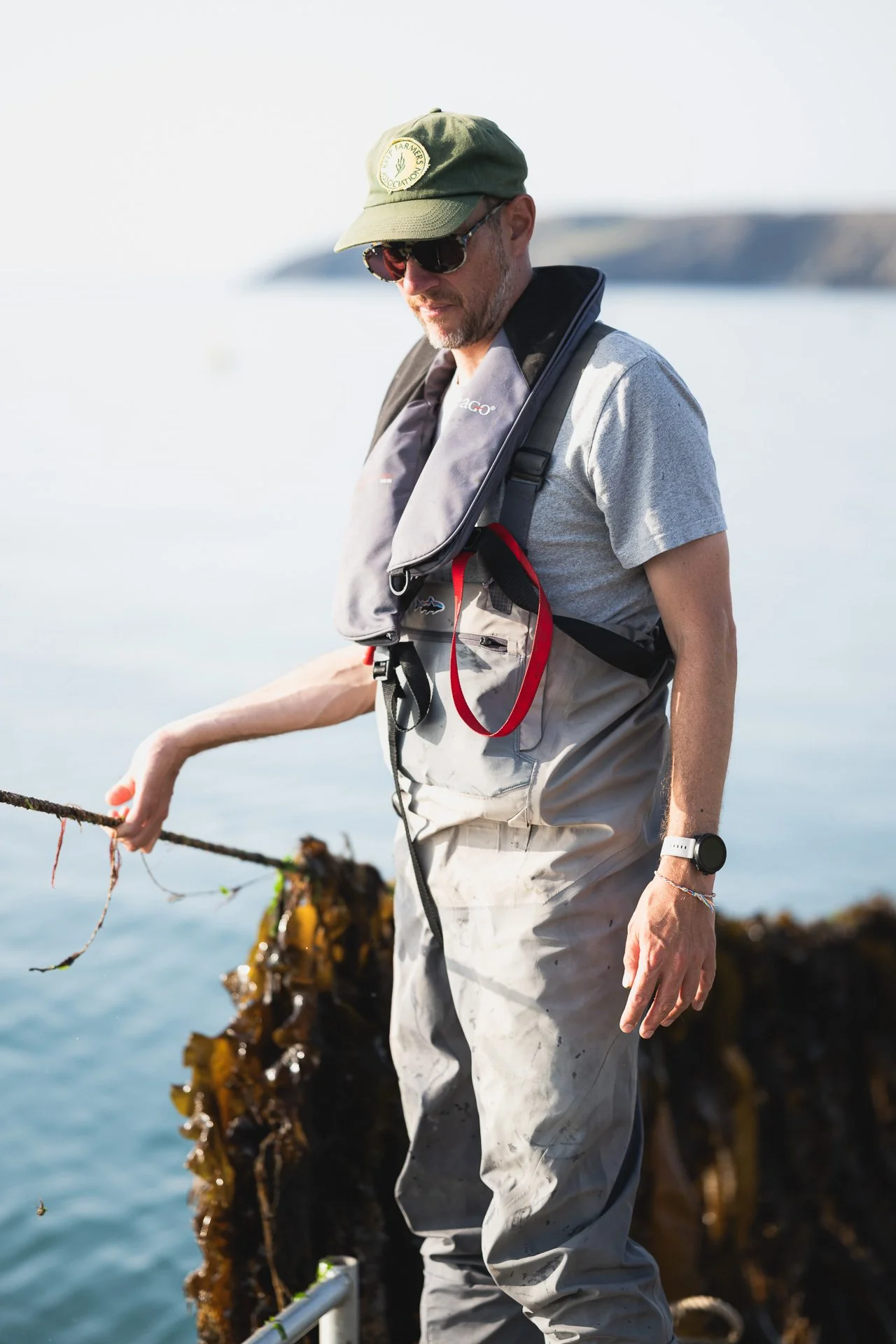
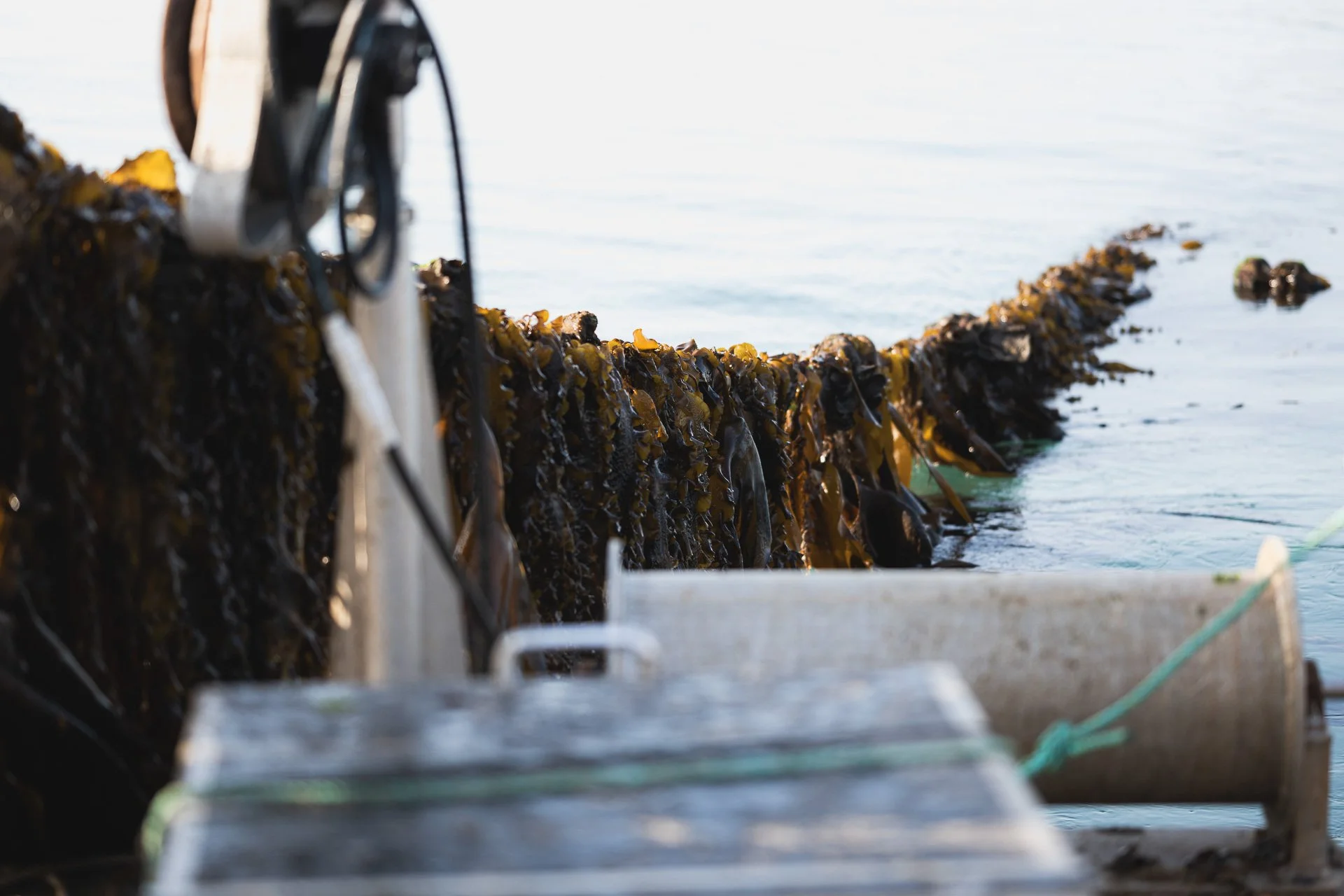
We then travelled out by boat to see the farm. Working in a relatively small space meant photographing around the activity without interrupting it, while also looking for portraits, practical details and wider views that explained the setting.
The drone photographs added another part of the story. From the air, the boat, cultivated lines and Pembrokeshire coastline could be seen together, giving the finished collection a sense of place that would have been difficult to achieve from water level.
Connecting the material with its wider purpose
Notpla develops alternatives to conventional plastic packaging using seaweed. Levy has introduced its seaweed-coated food containers across major sporting and entertainment venues as part of its work to reduce single-use plastic.
In its Climate Impact Report, Levy reports that a Notpla box produces 39% less CO₂e than the PLA-lined box it previously used. It also reports that switching to Notpla packaging saved 28 tonnes of CO₂e and 2.5 tonnes of plastic during 2024.
Visiting Câr-y-Môr connected that larger sustainability story with the people, place and natural material behind it. The photographs therefore needed to do more than record who attended: they had to show where the seaweed came from, how it was handled and why the relationship mattered.
Photography for Levy’s Climate Impact Report
A photograph from the assignment was used as the full-page introduction to the decarbonisation section of Levy’s report, captioned “Câr-y-Môr, regenerative seaweed and shellfish farm, Wales, August 2025”. Further photographs have appeared on Levy’s website and in social content from Levy and Notpla.
This is exactly the role of brand story photography: bringing together people, working processes, supplier relationships, details and wider context to create a connected visual account of a business initiative.