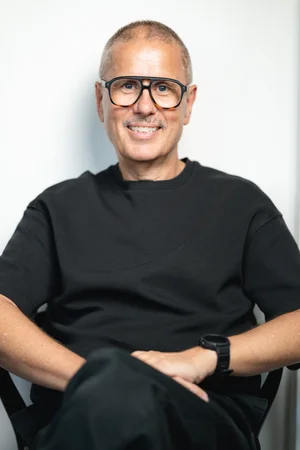
A DIFFERENT WAY OF THINKING ABOUT THE LAND
Looking across the rolling countryside of North Yorkshire, you could easily think this was just another beautiful stretch of farmland.
But spend a little time at the Biohub, listening to Dr Vincent Walsh explain what's happening beneath the surface, and you begin to appreciate that there's considerably more going on.
I was commissioned by Levy UK & Ireland to photograph its Biohub Living Lab at Ings Farm, a regenerative farming and environmental research project that's exploring how agriculture, biodiversity and food production can work together more sustainably.
It was a fascinating assignment, combining landscape photography, environmental portraits, documentary coverage and aerial photography.
And what made it particularly memorable was the enthusiasm of the people behind the project, especially Dr Vincent Walsh.
A LIVING LABORATORY IN THE YORKSHIRE COUNTRYSIDE
The Biohub is a 92-acre site in the North Yorkshire uplands, developed through a collaboration involving Levy, RegenFarmCo, Yorkshire Water and other partners.
Rather than simply maintaining the land as traditional sheep pasture, the project is exploring how different approaches to farming and land management can improve soil health, encourage biodiversity, manage water and create more resilient food production systems.
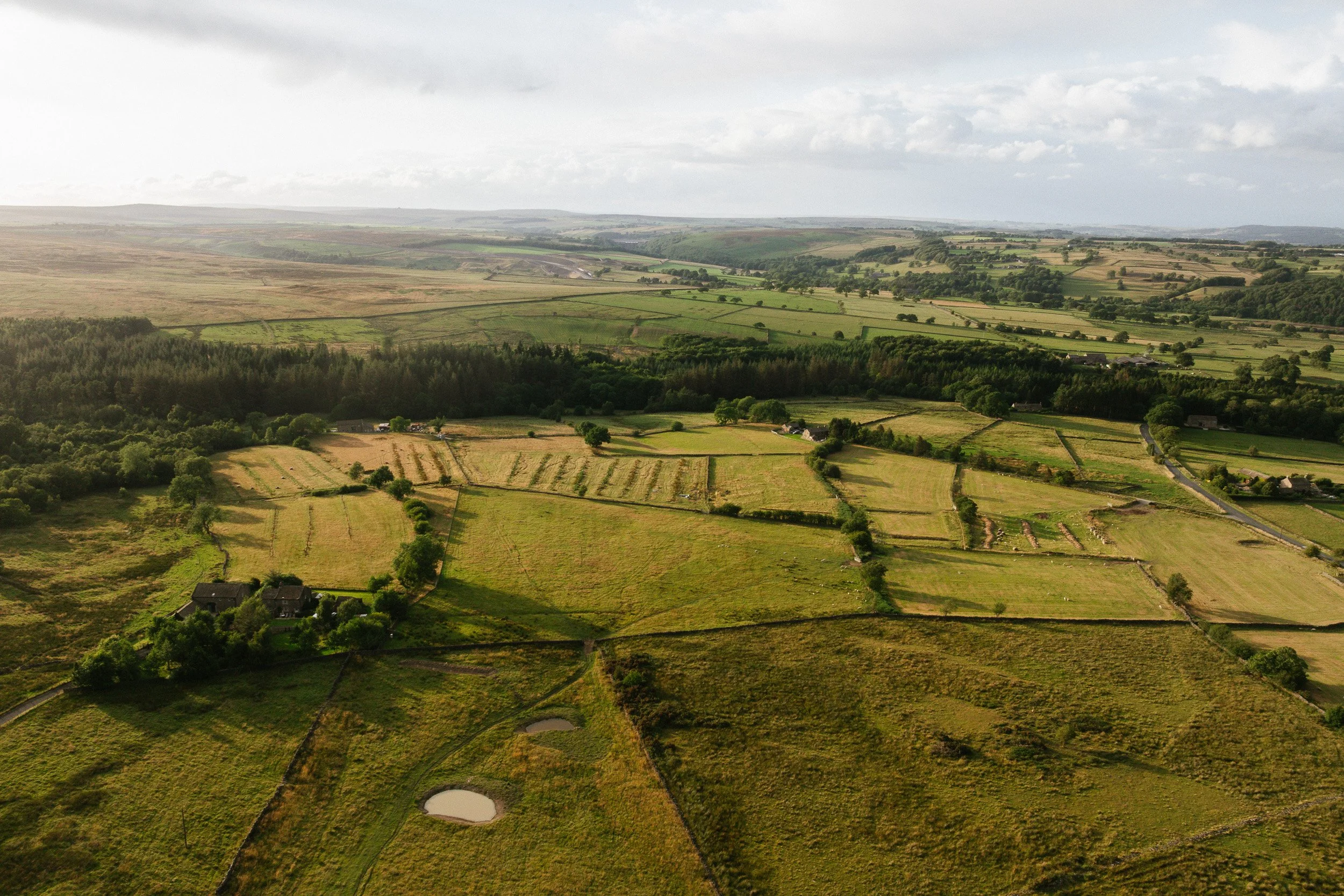
One of the most interesting things about photographing the site was the opportunity to show it from different perspectives.
From ground level, you see the grasses, young trees, sheep and the natural character of the landscape.
From above, the broader design becomes much clearer.
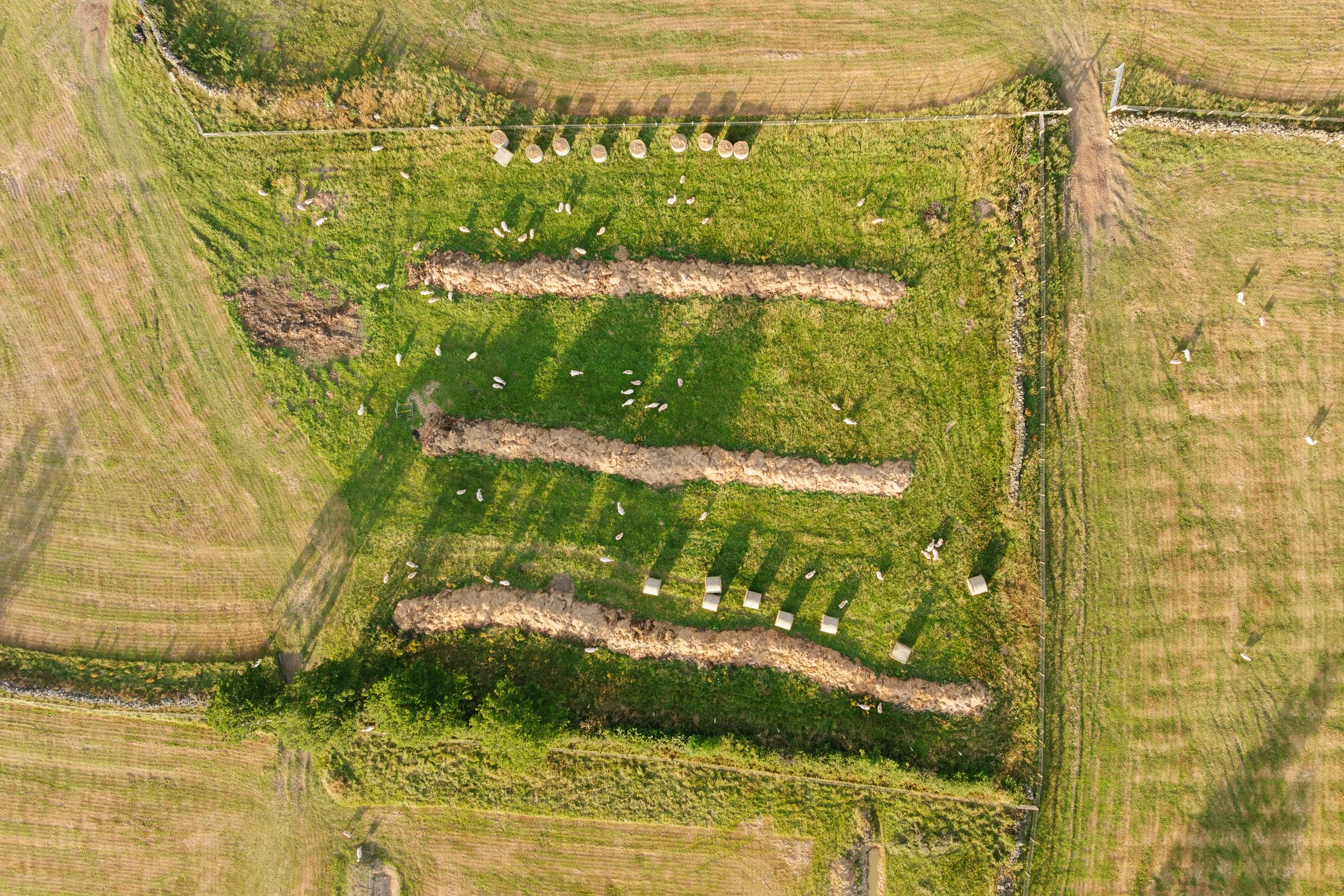
These aerial views were particularly useful for showing how the new planting fits into the existing farmland.
The project incorporates agroforestry, which essentially means integrating trees and other plants into agricultural systems rather than keeping them completely separate.
It's a long-term approach, and many of the benefits will take time to develop. But even at this stage, the structure of the landscape tells an interesting story.
WORKING WITH NATURE, NOT AGAINST IT
Sheep farming remains an important part of the Biohub.
The project isn't simply about replacing traditional farming with woodland. It's about exploring how grazing animals, trees, grasses, crops and healthy soil can coexist.
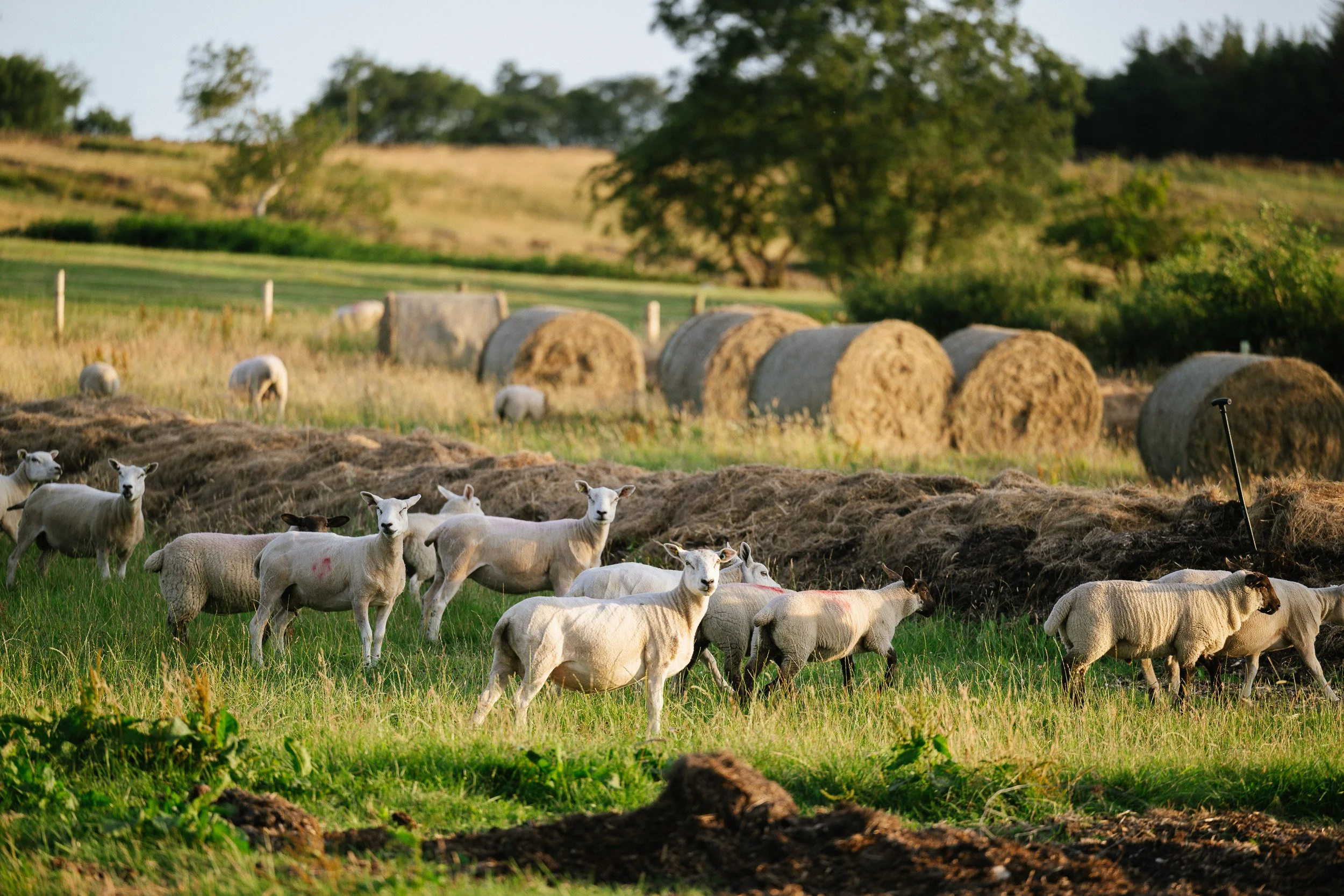
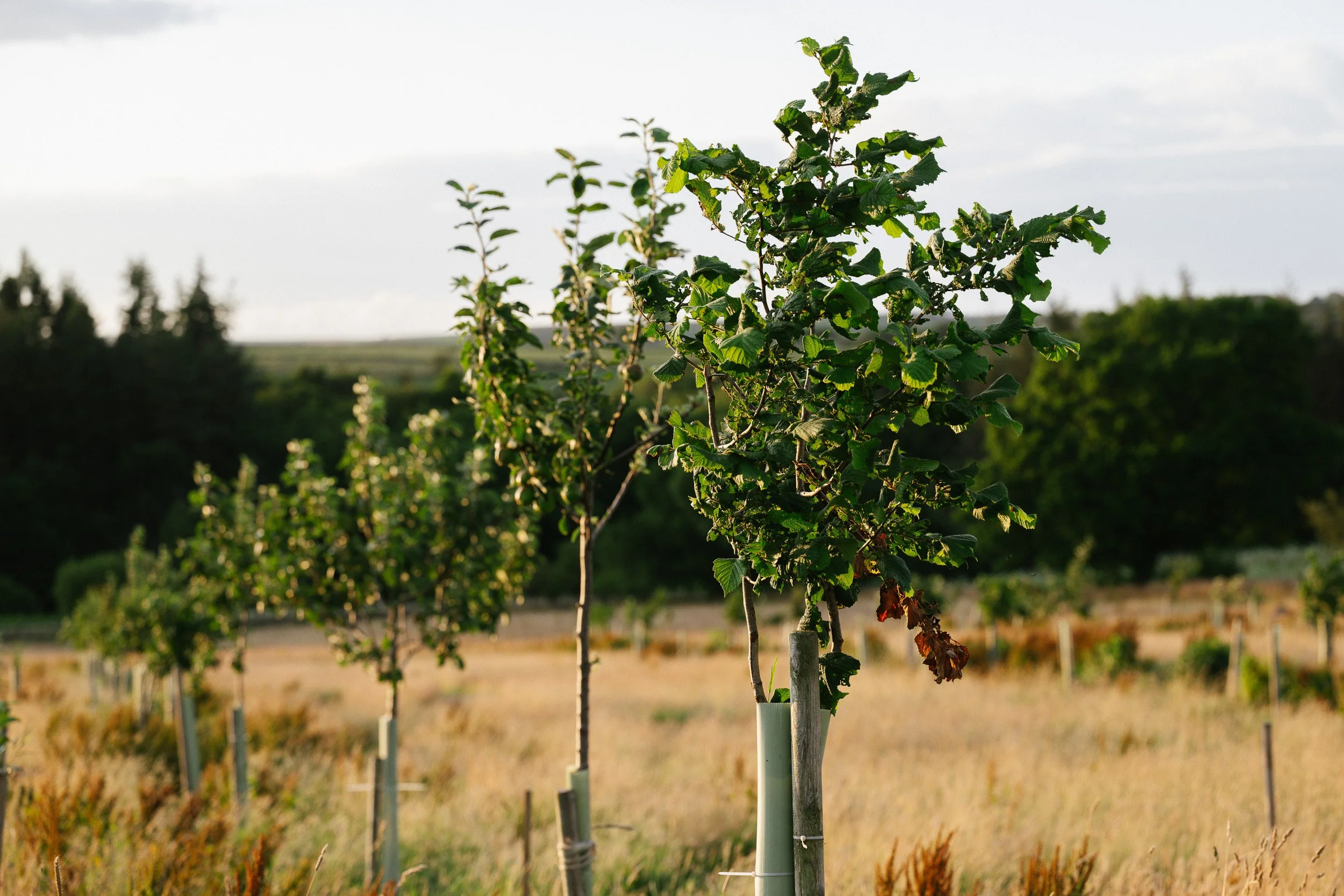
New trees are being established across the landscape, creating the potential for more diverse habitats, shelter for livestock and additional forms of agricultural production.
It's an interesting subject to photograph because the changes aren't necessarily dramatic when viewed individually.
A young tree might not look particularly significant on its own, but placed within the wider landscape, it becomes part of something much bigger.
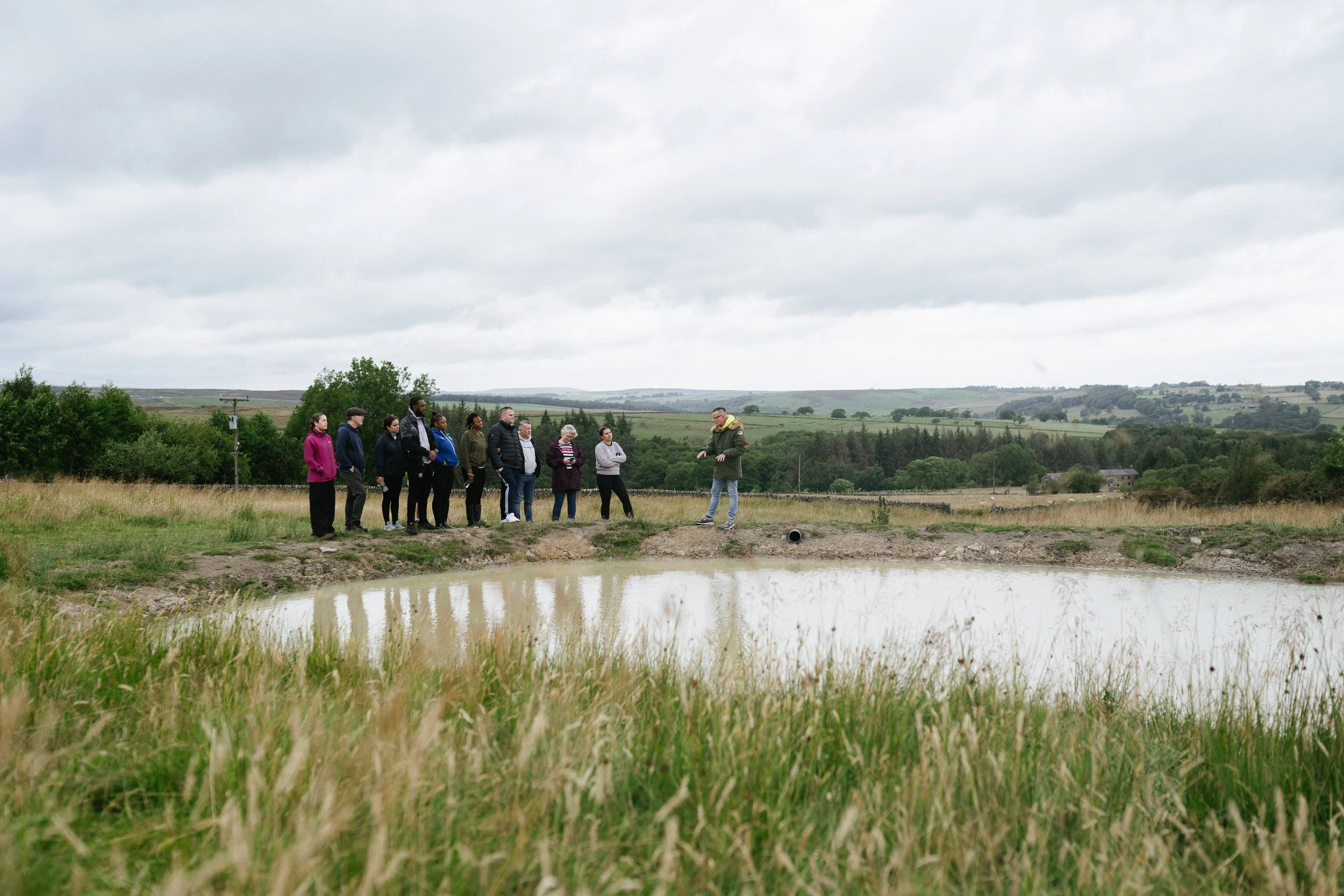
The site also incorporates water-management features, including ponds and swales designed to help control how water moves through the landscape.
On upland farms, where periods of heavy rainfall and waterlogged ground can be a challenge, understanding and managing water is an important part of improving the wider ecosystem.
DR VINCENT WALSH AND THE PASSION BEHIND THE PROJECT
For me, one of the most memorable aspects of the assignment was Dr Vincent Walsh.
Vincent founded the Biohub and has been instrumental in developing its approach to regenerative agriculture. He also serves as Levy's Director of Decarbonisation.
What really struck me was his passion for the project.
There's a considerable amount of science and research behind the work, but his enthusiasm makes it an engaging subject to photograph.
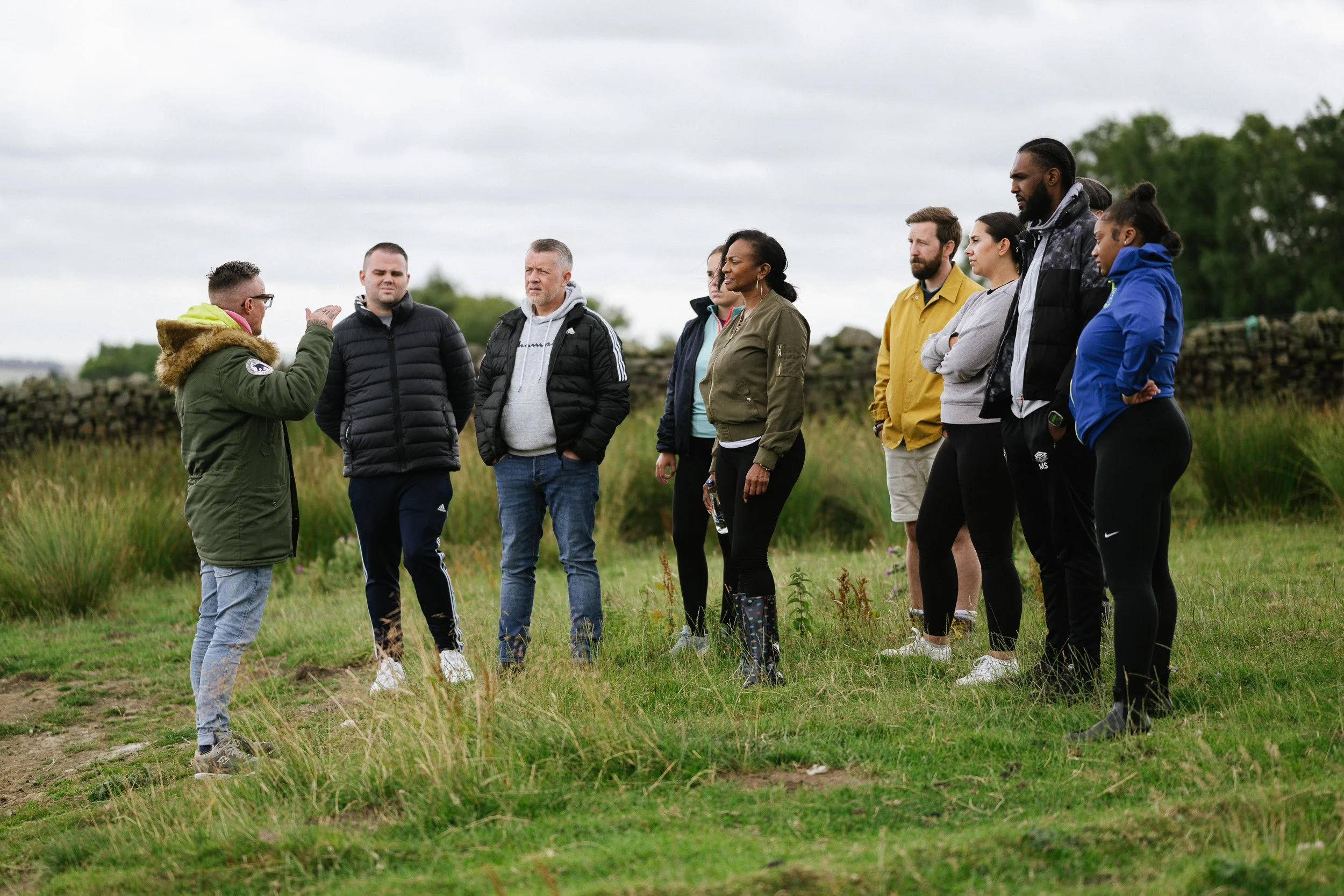
The Biohub isn't simply a research site. It also operates as a living classroom, bringing people into the landscape to understand regenerative farming and its relationship with food production and environmental sustainability.
During the visit, there were plenty of opportunities to capture the conversations, explanations and genuine interest of the people exploring the site.
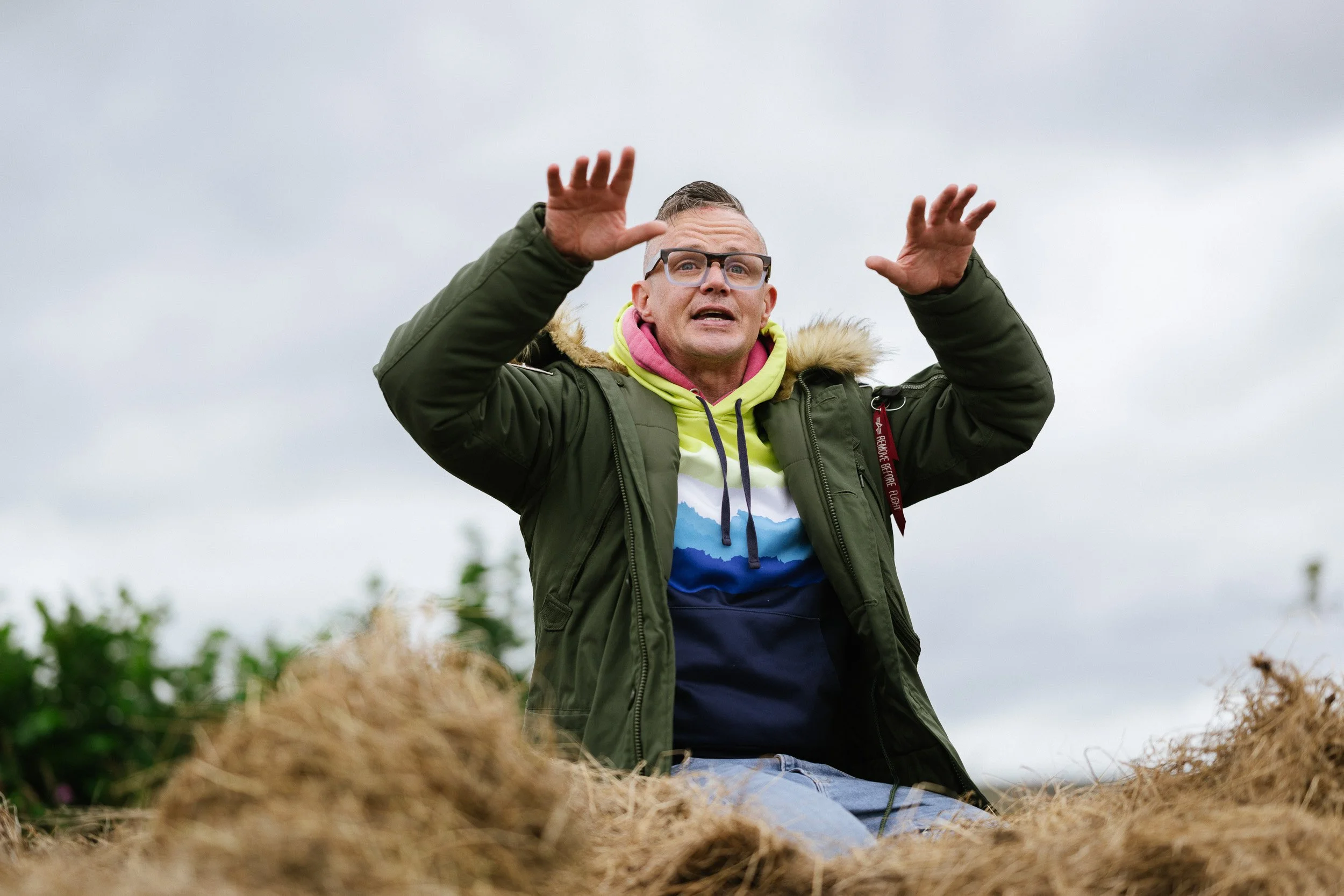
Photographically, these were some of my favourite moments.
I always enjoy photographing people who are genuinely absorbed in what they're doing. You don't need to manufacture expressions or arrange complicated portraits when someone is already so engaged with their subject.
Vincent's energy and commitment to the Biohub were particularly evident, and I wanted the photographs to capture that as well as the landscape itself.
His ambition for the project is considerable. In Levy's 2025 Climate Impact Report, he explains that the Biohub was deliberately established on a particularly challenging landscape to demonstrate what's possible through regenerative farming.
It's a compelling idea: if these approaches can be made to work in the difficult conditions of the North Yorkshire uplands, there may be lessons for other agricultural landscapes.
GETTING DOWN TO THE SOIL
One of the most interesting parts of the visit involved looking more closely at the soil and organic material.
Soil health is central to regenerative agriculture, with the project exploring ways to improve its structure, fertility and biological activity.
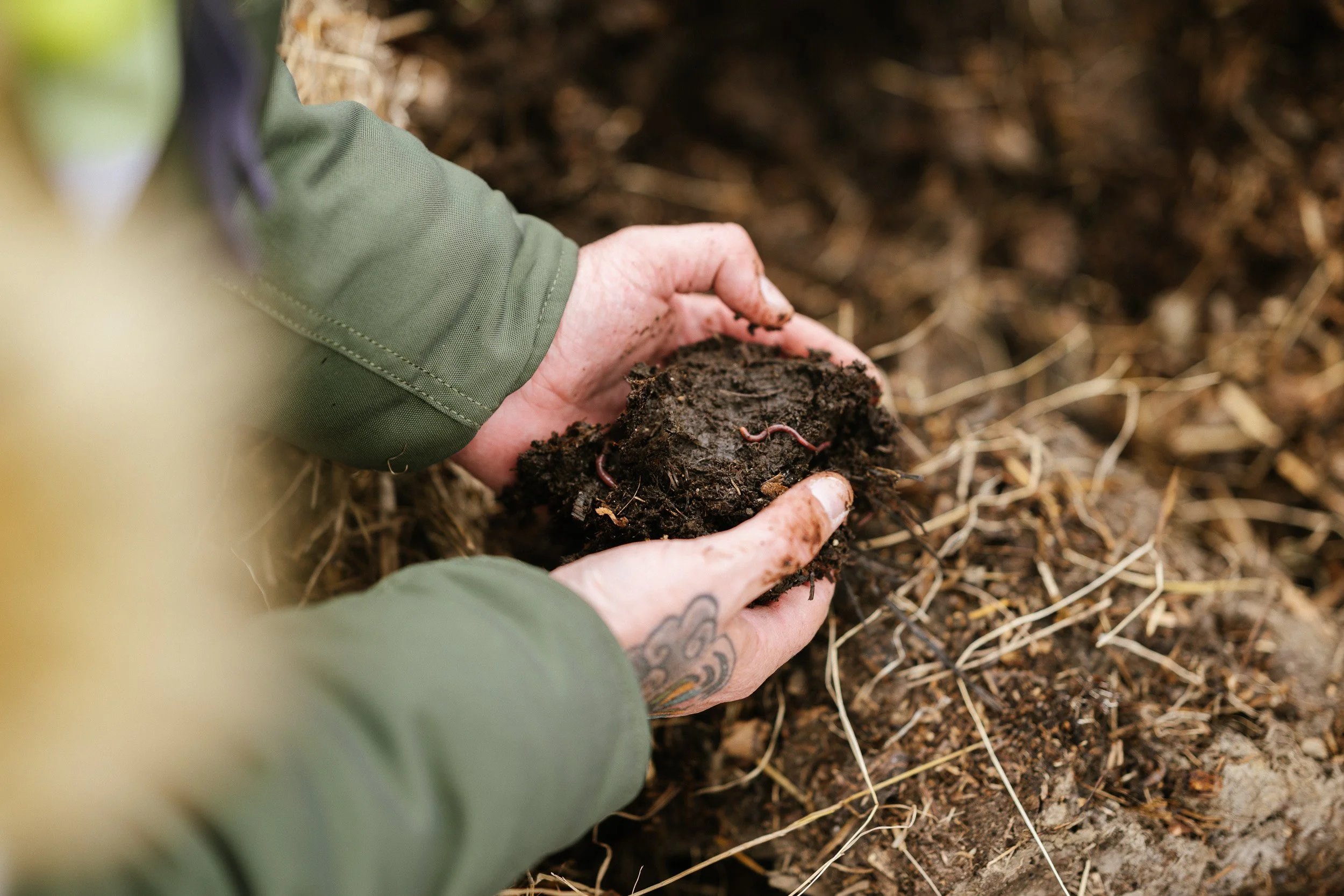
These smaller details are particularly valuable in sustainability photography.
The wider landscapes establish where the work is happening, but photographs of the materials, processes and people involved help explain what is actually being done.
It's this combination that turns a collection of attractive landscape photographs into a more complete visual story.
The visit also provided opportunities to photograph the group exploring the site and seeing the water-management features first-hand.
PHOTOGRAPHY THAT HELPS TELL A BIGGER STORY
For Levy, the Biohub forms part of a much wider commitment to sustainability within the hospitality industry.
The project connects food production, environmental research, regenerative agriculture and the people working to develop more sustainable practices.
My photography needed to reflect all those different elements.
That meant documenting the landscape, the animals, the new planting, the practical demonstrations and the people involved in bringing the project to life.
I was particularly pleased to see photographs from this assignment subsequently used in Levy's 2025 Climate Impact Report.
A photograph from the Biohub appeared on the report's front cover, while another was used as a full-page image alongside the dedicated Biohub case study featuring Dr Vincent Walsh.
Seeing the images used in this way was particularly satisfying. They weren't simply documenting an interesting visit; they were helping Levy communicate a significant part of its environmental strategy.
AN ASSIGNMENT WITH A LASTING IMPRESSION
Beyond the science and agricultural research, the Biohub was simply a wonderful place to photograph.
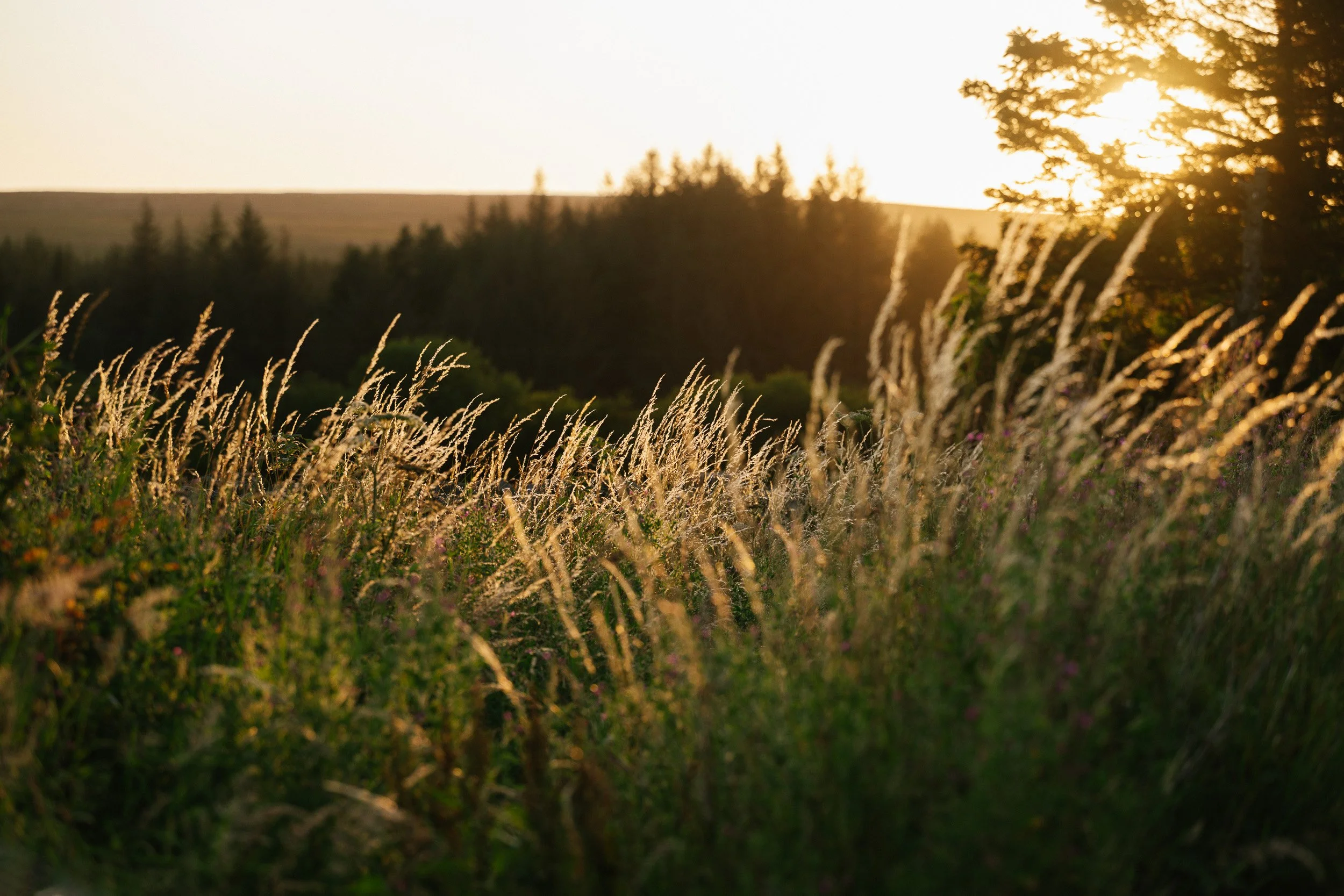
The North Yorkshire landscape provided some beautiful opportunities, particularly as the light softened towards the end of the day.
I came away with a diverse collection of photographs and a much better appreciation of the thinking behind regenerative agriculture.
But what stayed with me most was the dedication of the people involved.
Dr Vincent Walsh's passion for the Biohub, and the ambition to develop a healthier and more productive landscape, made this a particularly rewarding assignment.
It's exactly the kind of project where photography can play a valuable role: helping organisations show the people, practical work and progress behind their environmental commitments.
If your organisation is working on sustainability, environmental research or regenerative agriculture and needs photography to tell that story, let's talk about your project.