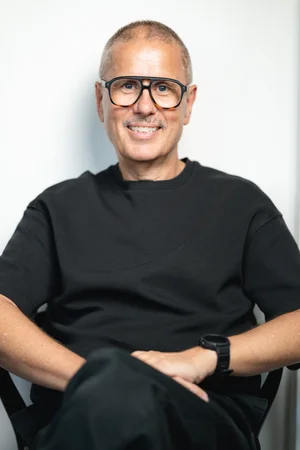
A THREE-MICHELIN-STAR CHEF WITH HIS FEET FIRMLY ON THE GROUND
When you think of a three-Michelin-starred chef, you probably imagine a pristine kitchen, immaculate plates of food and an extraordinary level of attention to detail.
You might not immediately picture someone standing in a field, enthusiastically discussing pig breeding, animal feed and the finer points of farming.
But that's what made this assignment for Levy UK & Ireland so fascinating.
I was photographing a farm visit exploring the work of Brett Graham, the chef behind London's three-Michelin-starred restaurant, The Ledbury, and his farming and produce venture, Capability Graham.
It turned out to be one of my favourite photography assignments of the year.
Not just because of the beautiful countryside, the animals or the people involved, but because I had the freedom to follow the story as it unfolded.
And there's something genuinely inspiring about spending time around someone who has reached the very highest level of their profession but remains so passionate about learning, experimenting and improving.
FROM THE RESTAURANT TO THE FARM
Brett Graham has achieved something extraordinary in the restaurant world.
His restaurant, The Ledbury in Notting Hill, was awarded three Michelin stars in 2024, one of the highest distinctions a restaurant can receive.
But Brett's interest in exceptional food goes well beyond what happens in the kitchen.
Through Capability Graham, he works with farmers and producers to develop high-quality ingredients while exploring more sustainable approaches to agriculture.
That includes raising Iberian pigs, developing specialist animal feeds, producing cold-pressed rapeseed oil and working with Jersey cattle.
It's a fascinating connection between the food served in some of Britain's finest restaurants and the agricultural processes that make it possible.
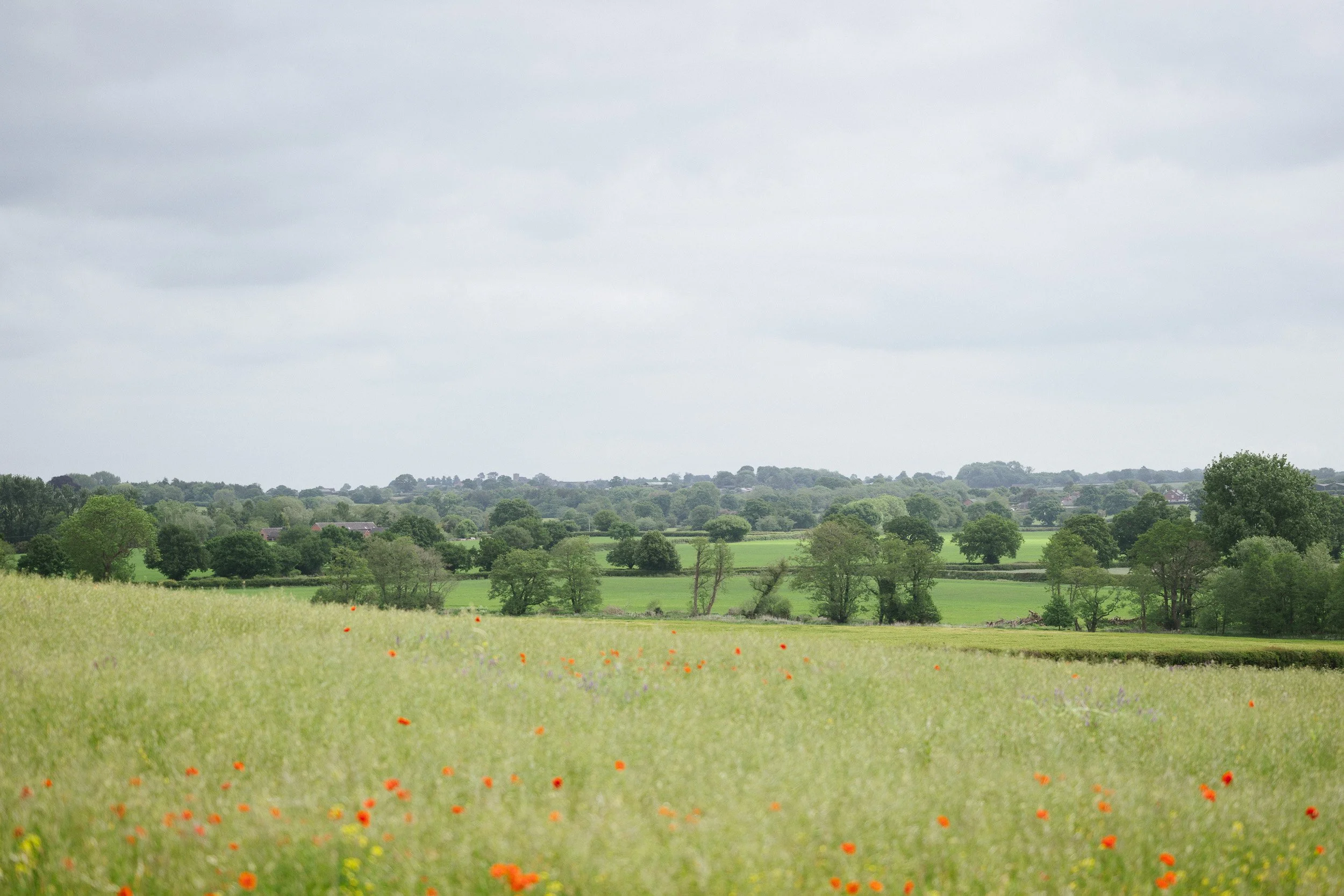
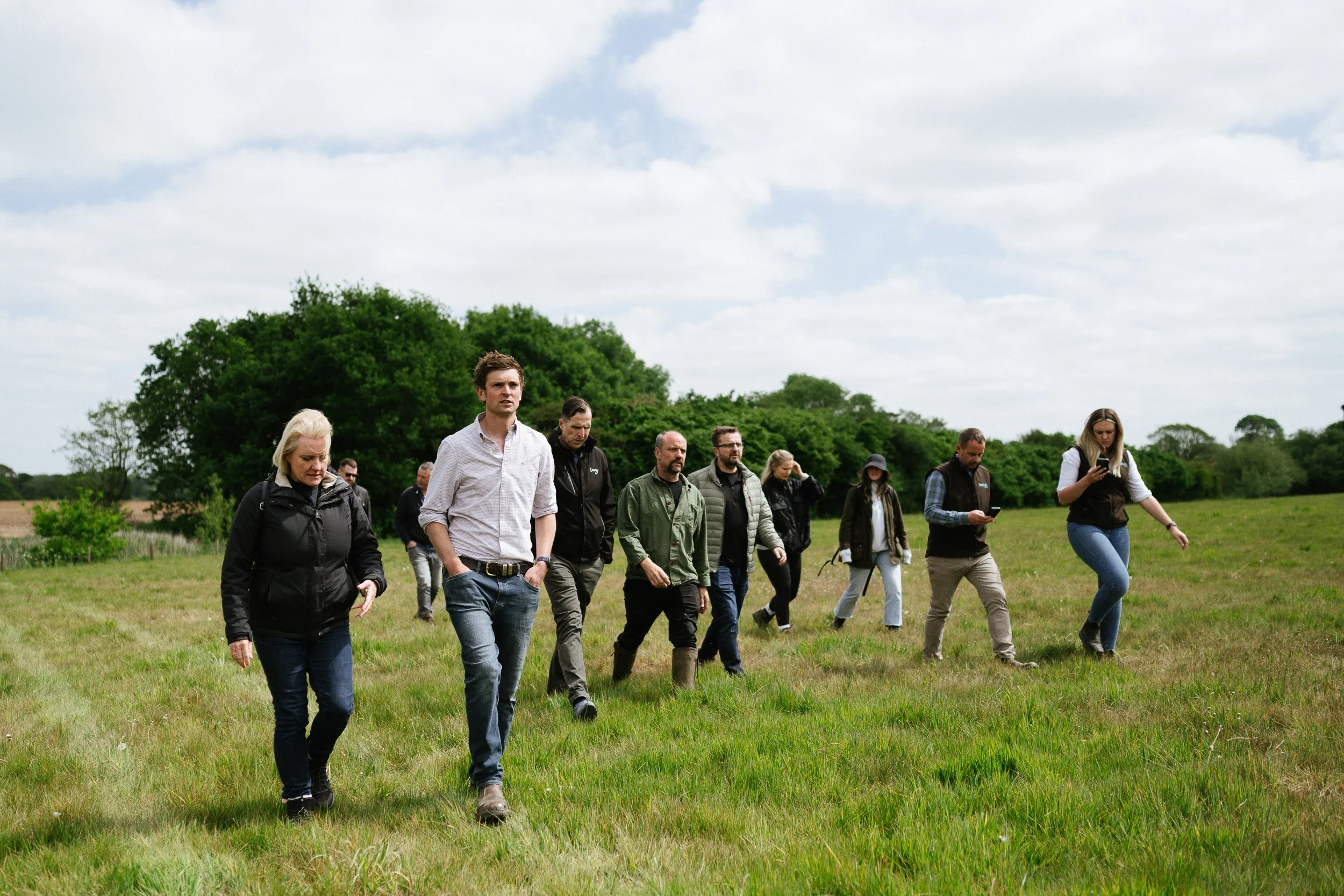
The visit brought together people from Levy and the wider farming and hospitality community to see the operation first-hand.
There was plenty to discover, and the relaxed environment made it particularly enjoyable to photograph.
PASSION, KNOWLEDGE AND A VERY PERSONAL APPROACH
One of the things I particularly enjoy photographing is someone who's completely absorbed in their subject.
You can see it in their expressions, their gestures and the way they communicate with the people around them.
Brett's enthusiasm for farming was one of the standout aspects of this visit.
His dedication to understanding where ingredients come from, how animals are raised and how farming methods can be improved goes far beyond simply sourcing produce for his restaurants.
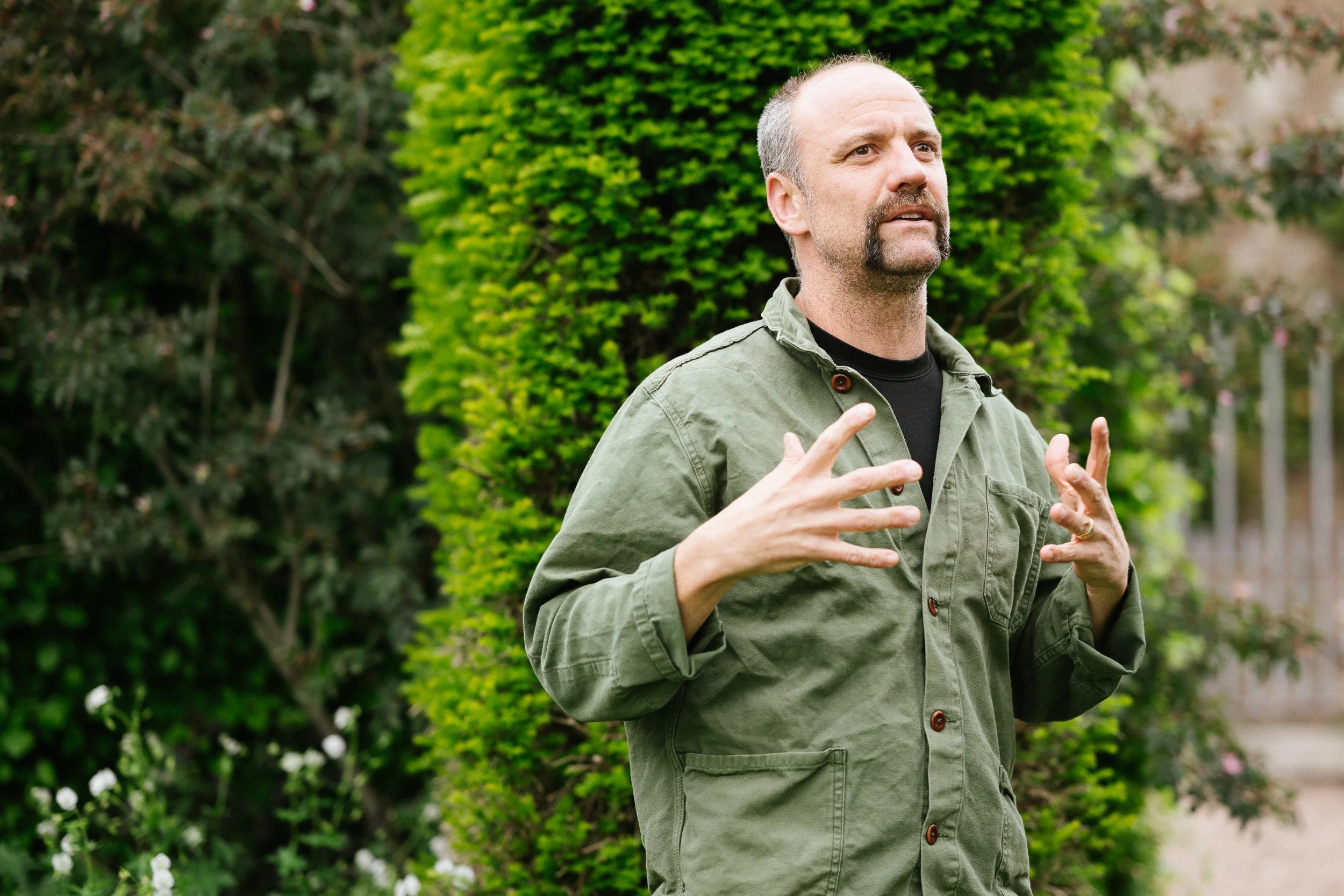
That passion made for some wonderful photographic opportunities.
Rather than relying on arranged portraits, I could concentrate on capturing the natural conversations, demonstrations and interactions happening throughout the day.
And that's when I think documentary photography works particularly well.
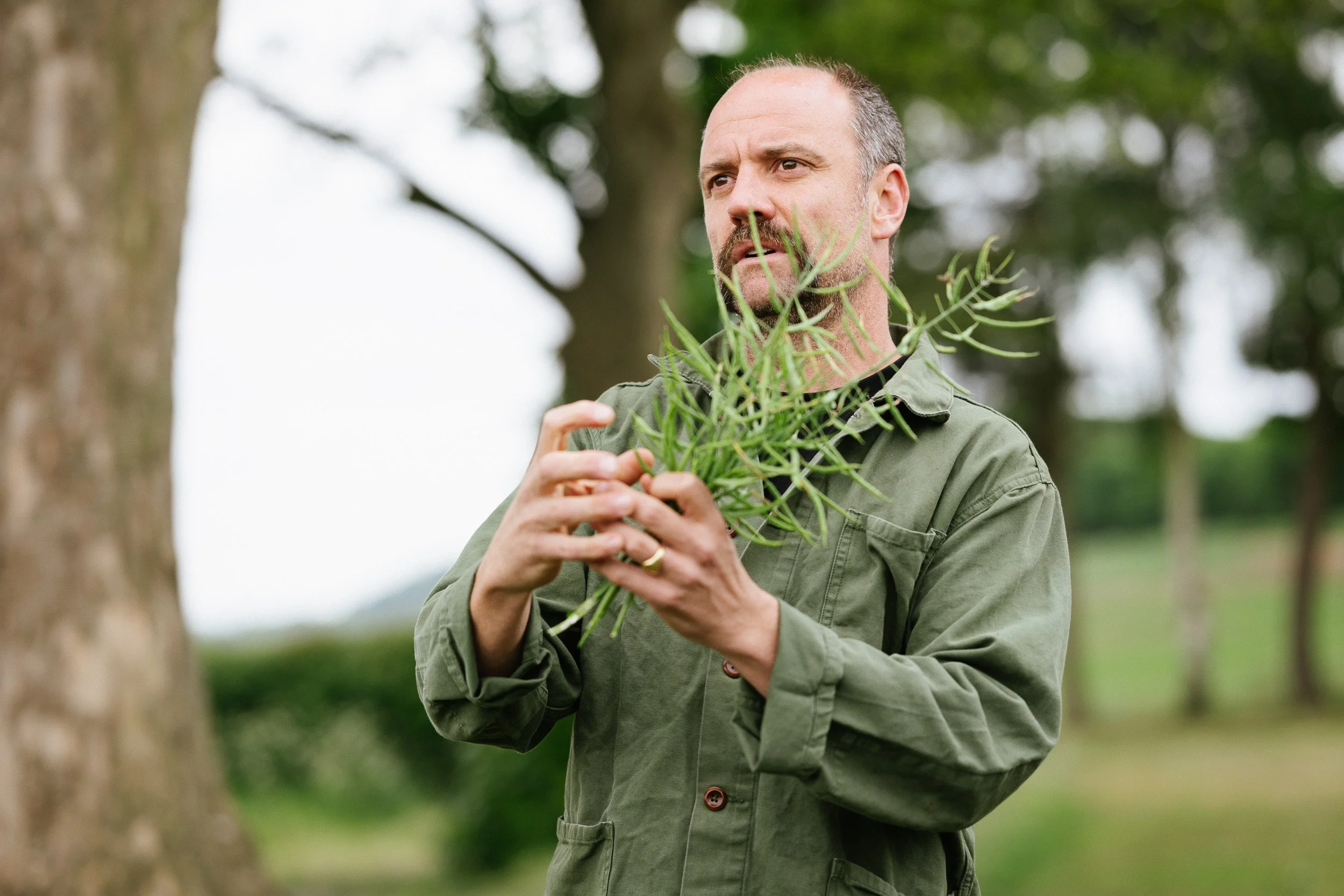
What I found particularly impressive was the level of thought behind the farming operation.
It's not simply about producing exceptional ingredients, although that's obviously important.
There's a wider consideration of animal welfare, sustainable feed production, land management and the relationship between the farmer, the chef and the finished product.
THE THINKING BEHIND THE FARMING
One of the interesting aspects of Capability Graham is its approach to producing animal feed.
The operation works with specialist farming partners, including Harry Heath in Shropshire, to grow crops and produce food for its livestock.
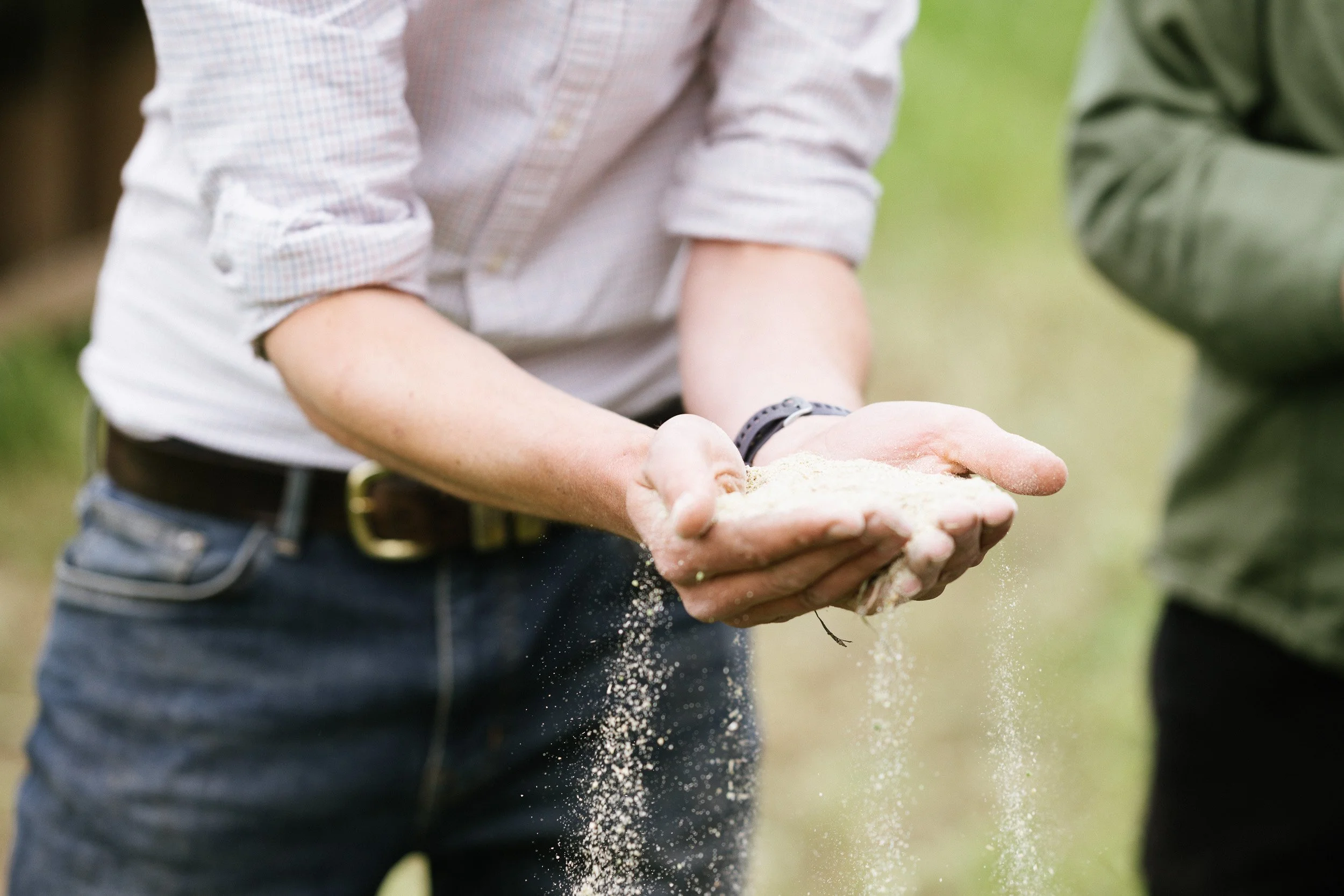
Rapeseed is cold-pressed to produce oil, while the remaining meal can be incorporated into animal feed.
That helps reduce dependence on imported soya and makes greater use of materials produced within the farming operation.
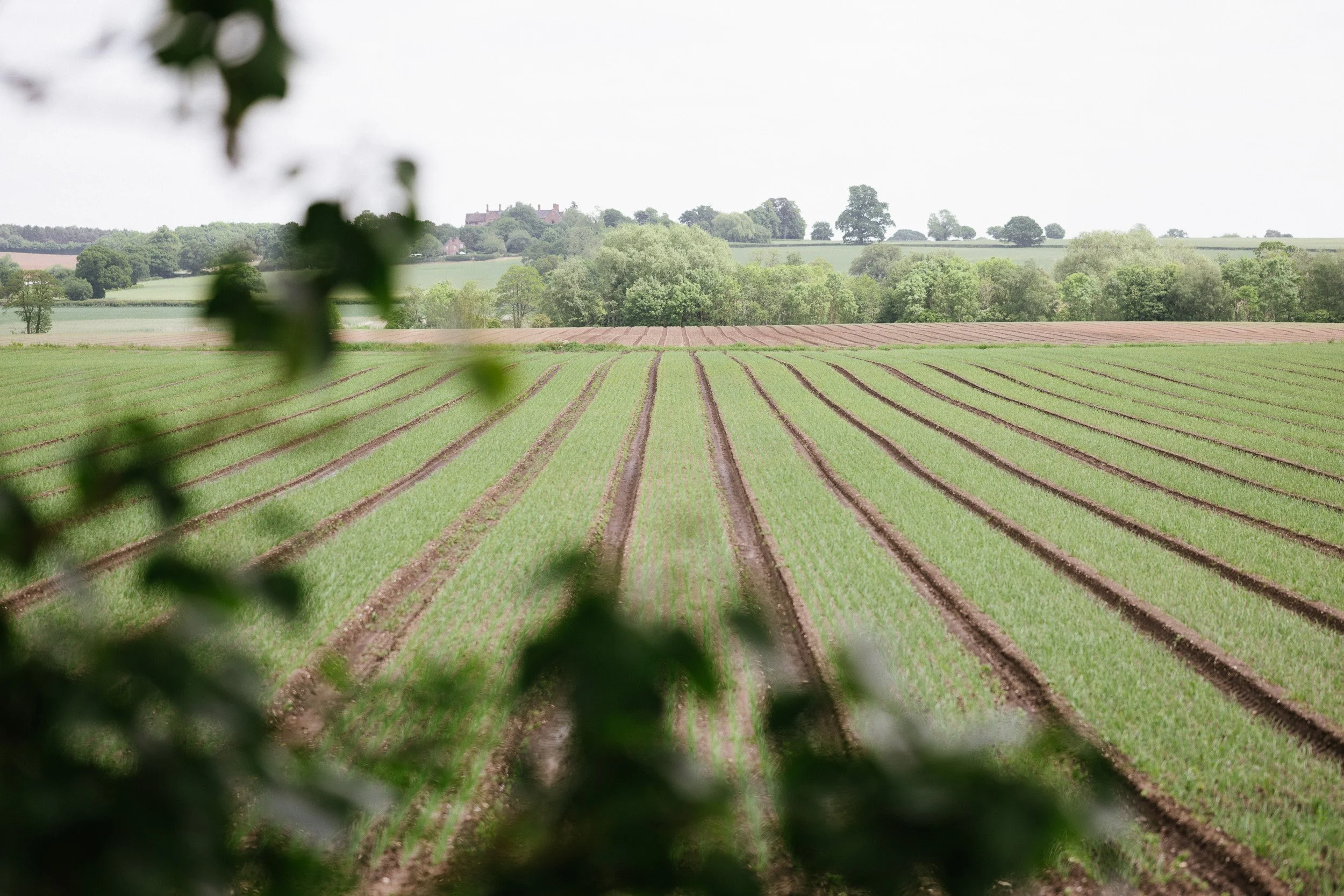
These are the sorts of details that help explain why this was more than an ordinary farm visit.
There's a great deal of experimentation and collaboration involved, bringing together agricultural knowledge and the exacting expectations of a chef working at the highest level.
The photographs needed to capture those smaller details alongside the wider views of the farm.
MEETING THE IBERIAN PIGS
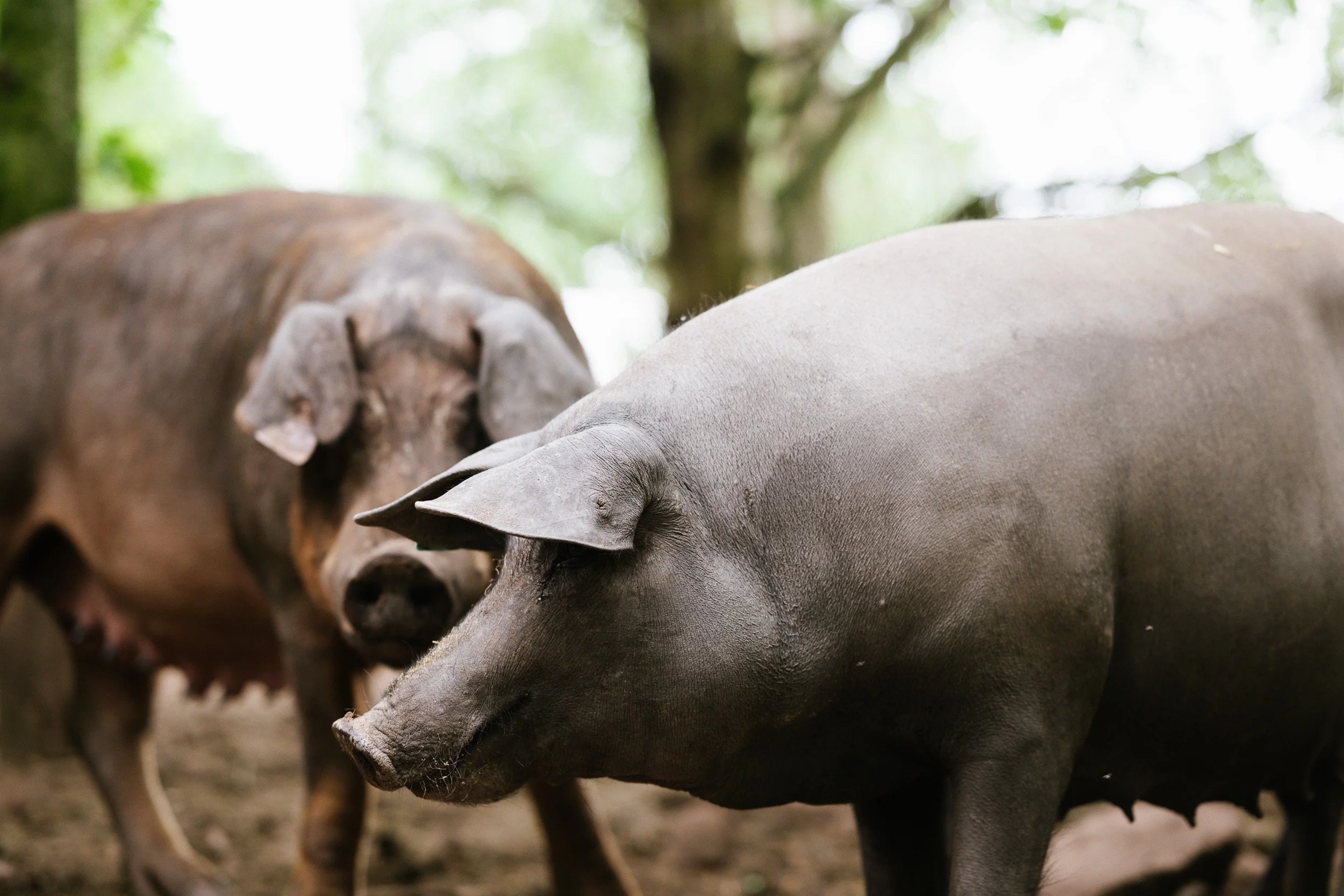
Of course, one of the highlights of the visit was seeing the pigs.
Capability Graham began developing its Iberian pig breeding programme in 2020, importing animals from Spain and working with farming partners to establish and improve the breeding lines.
The pigs are typically raised outdoors, grazing on herbal leys, with a specially developed soy-free diet that incorporates farm-produced ingredients.
The intention is to combine high standards of animal welfare with the exceptional quality of meat that Brett wants to produce.
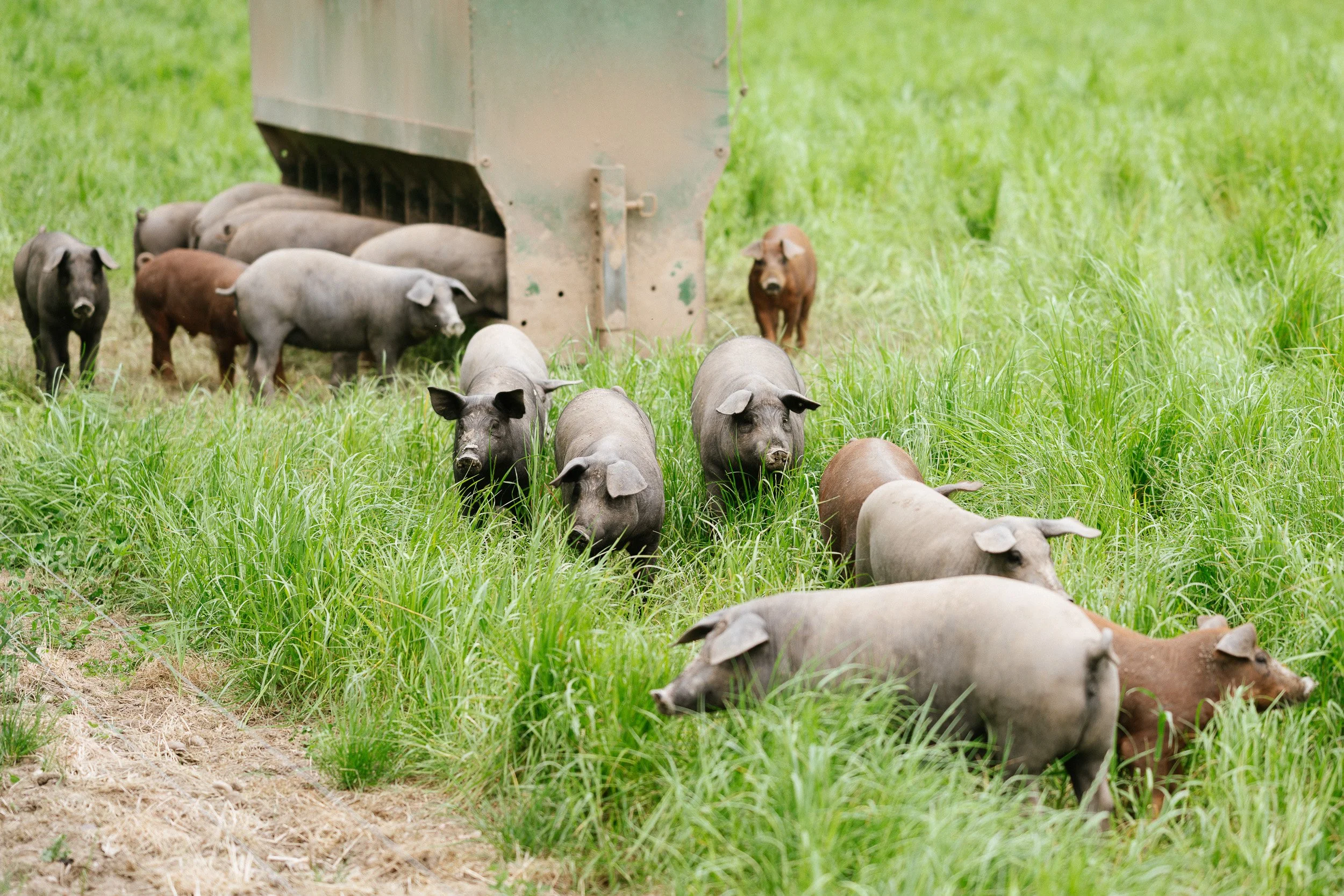
From a photographic perspective, the pigs were excellent subjects.
There's something wonderful about photographing animals in their natural surroundings, particularly when you're able to work without disturbing what's happening.
They certainly provided plenty of interesting expressions and moments.
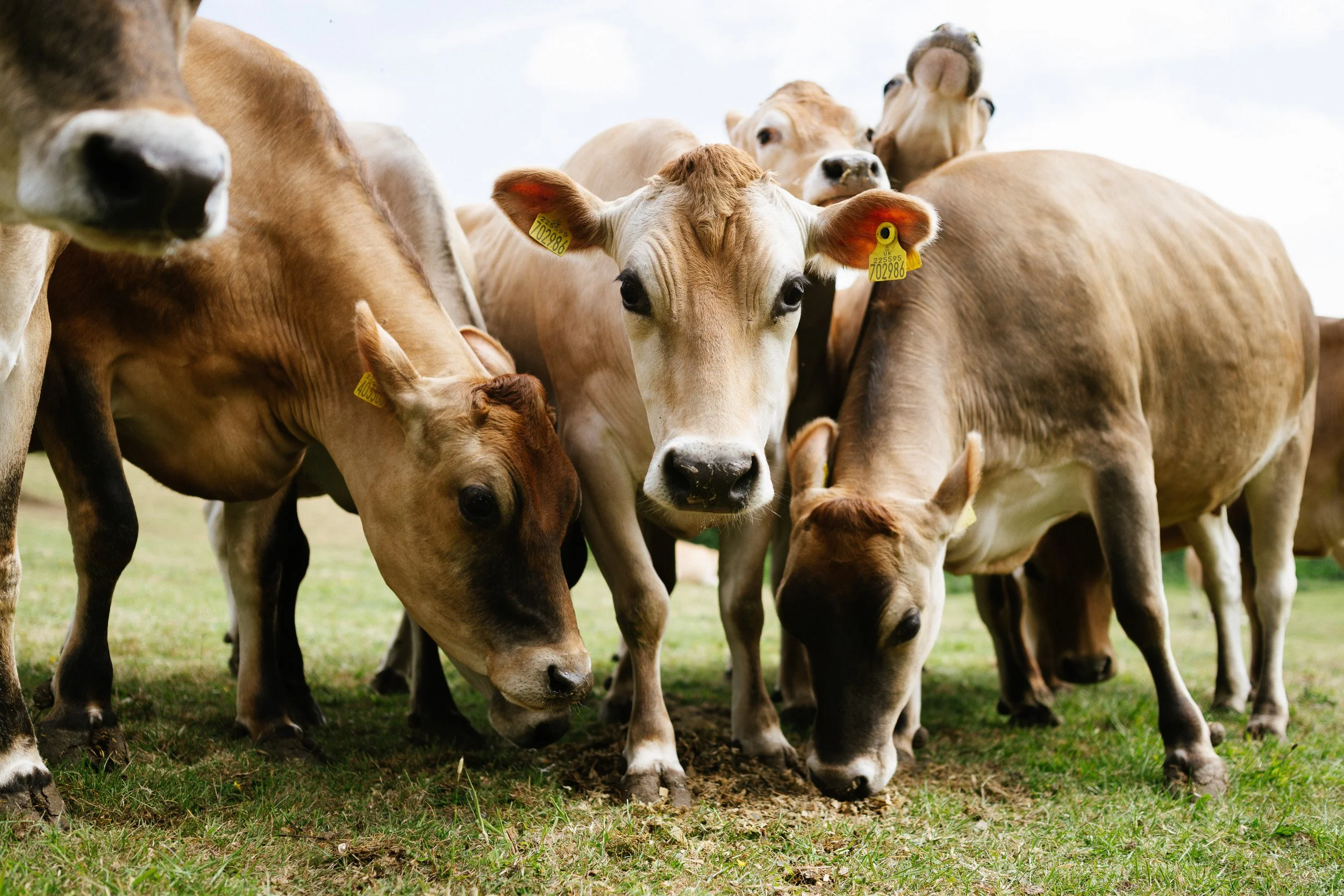
The visit also included Jersey cattle, another part of Capability Graham's approach to producing high-quality ingredients.
Brett works with retired dairy cows, giving them a different role within the food supply chain and developing a specialist beef product.
It was interesting to see the different elements of the farming operation and how they relate to the wider philosophy behind Capability Graham.
CONNECTING SUSTAINABLE FARMING WITH HOSPITALITY
For Levy UK & Ireland, the visit connected closely with its wider work around sustainability and food sourcing.
Levy operates hospitality services at major sporting and entertainment venues, and understanding where food comes from is an important part of developing more responsible supply chains.
The company has also worked with Brett Graham on initiatives involving British wild venison, exploring how different ingredients and sourcing decisions can contribute to its sustainability ambitions.
It's an interesting relationship between two very different parts of the hospitality industry.
At one end, there's the detailed agricultural work involved in producing exceptional ingredients.
At the other, there's the challenge of providing food to thousands of people at major venues.
The principles of quality, provenance and responsible sourcing are relevant to both.
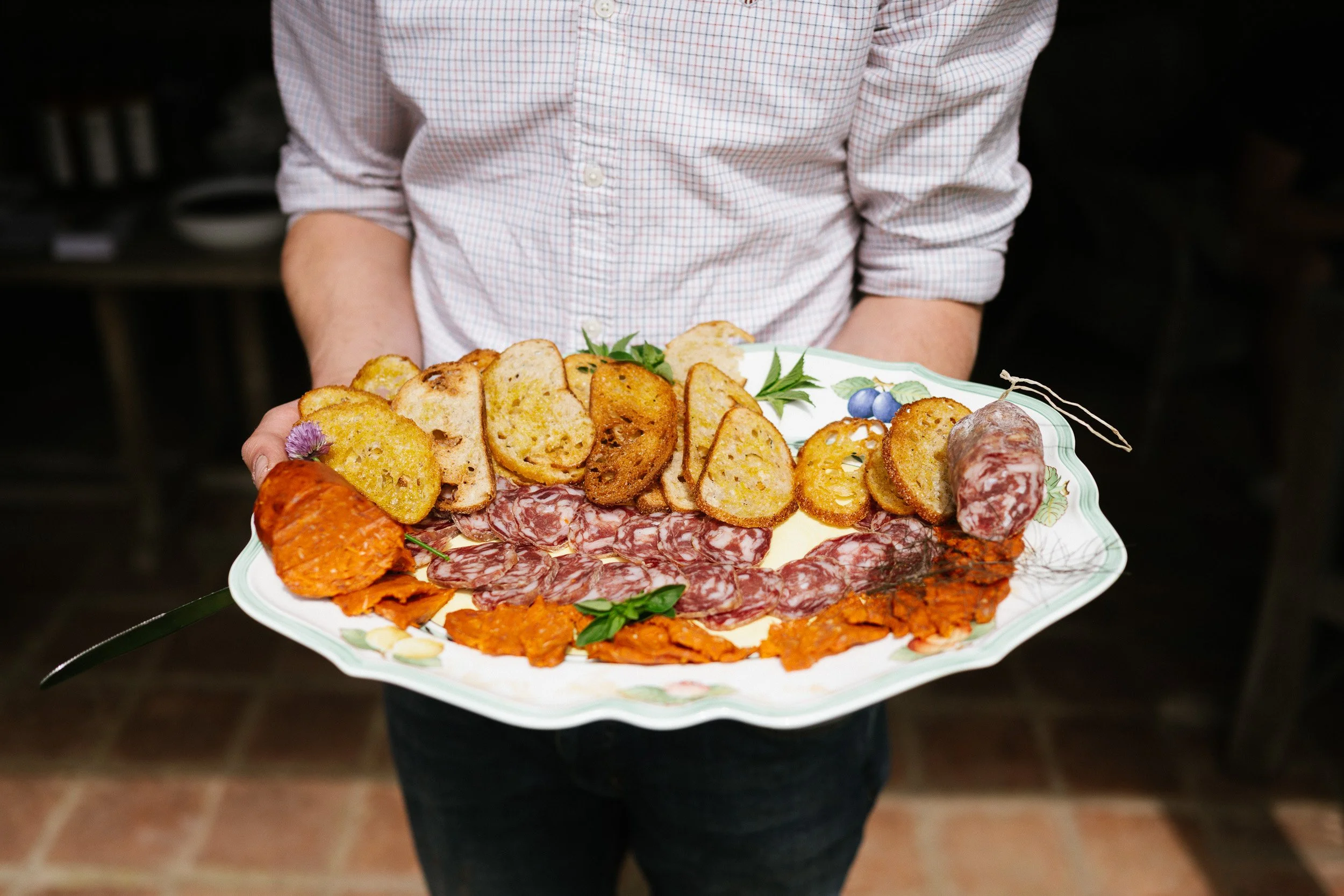
And, ultimately, all that work leads back to the food itself.
ONE OF MY FAVOURITE SHOOTS OF THE YEAR
Looking back, what made this assignment particularly enjoyable was the freedom I had to photograph the day as a complete story.
I could move between the conversations, animals, landscape, agricultural details and the people experiencing it all.
There wasn't a rigid sequence of posed photographs to work through.
Instead, I could concentrate on observing what was happening and building a collection of images that communicated the experience naturally.
That's one of the things I find most satisfying about commercial documentary photography.
A single assignment can produce everything from environmental portraits and detailed working photographs to landscapes, livestock and food photography, all contributing to the same story.
But beyond the photography, I came away with a great deal of admiration for Brett Graham.
Achieving three Michelin stars requires an extraordinary level of commitment. Seeing that same dedication applied to farming, animal welfare and the origins of the ingredients was genuinely inspiring.
It was a privilege to be there for Levy, and an assignment that reminded me just how interesting my job can be.
If your organisation is working on sustainability, agriculture or a food-production project and needs photography that captures the people and work behind it, let's talk about your shoot.